

Diagnosing Alternator & Charging problems.
It is crucial for maintaining the performance of car audio systems. A malfunctioning alternator can lead to insufficient power supply, resulting in poor audio quality and system failures. This article will guide you through expert methods for testing alternator voltage output, identifying common voltage regulator issues, and troubleshooting charging system problems. Additionally, we will explore the benefits of LTO lithium batteries for enhancing car audio charging reliability. By understanding these components, you can ensure your car audio system operates smoothly and efficiently.
How to Test Your Alternator Voltage Output Accurately
Accurate testing of your alternator’s voltage output is essential for diagnosing potential issues within your vehicle’s electrical system. The alternator is responsible for charging the battery and powering electrical components while the engine is running. If the voltage output is too low or too high, it can lead to battery drain or damage to electrical components. Understanding how to measure this output accurately can help you identify problems early and maintain the reliability of your car audio system.
What Tools Are Essential for Alternator Testing?
To effectively test your alternator, you will need a few essential tools:
- Multimeter: This device measures voltage, current, and resistance, allowing you to check the alternator’s output.
- Wrench Set: Useful for loosening and tightening battery terminals and alternator connections.
- Battery Tester: Helps assess the health of your battery, which is crucial for understanding the overall charging system.
Having these tools on hand will enable you to perform thorough diagnostics on your alternator and charging system.
Step-by-Step Guide to Measuring Alternator Voltage Output
Measuring the alternator’s voltage output involves a straightforward process:
- Prepare the Vehicle: Ensure the engine is off, and the battery is fully charged.
- Connect the Multimeter: Set the multimeter to the DC voltage setting and connect the red lead to the positive terminal of the battery and the black lead to the negative terminal.
- Start the Engine: With the engine running, observe the multimeter reading. A healthy alternator should produce between 13.7 to 14.7 volts.
- Check Under Load: Turn on electrical components like headlights and the audio system to see if the voltage remains stable. A significant drop may indicate a problem.
Following these steps will help you accurately assess your alternator’s performance.
What Are the Common Voltage Regulator Issues Affecting Charging Systems?
Voltage regulators play a critical role in maintaining the correct voltage output from the alternator. They ensure that the electrical system receives a consistent voltage, preventing damage to sensitive components. However, several issues can arise with voltage regulators that may affect charging systems.
Identifying Symptoms of Voltage Regulator Failures
Common symptoms of voltage regulator failures include:
- Flickering Dashboard Lights: Inconsistent voltage can cause lights to flicker or dim.
- Battery Warning Light: A warning light on the dashboard may indicate a problem with the charging system.
- Overcharging or Undercharging: If the battery is frequently overcharged or undercharged, it may lead to premature battery failure.
Recognizing these symptoms early can help prevent further damage to your vehicle’s electrical system.
How Voltage Regulator Problems Impact Battery Charging and Audio Performance
Voltage regulator issues can significantly impact battery charging and super capacitor and audio performance. An overcharging regulator can lead to battery swelling or leaking, while an undercharging regulator may result in insufficient power for your audio system. This can cause distortion, reduced sound quality, and even system shutdowns. Understanding the relationship between the voltage regulator and your car audio system is essential for maintaining optimal performance.
Which Charging System Problems Cause Battery Drain and Power Instability?
Battery drain and power instability can stem from various charging system problems. Identifying these issues is crucial for ensuring your car audio system operates reliably.
Diagnosing Alternator Warning Signs and Electrical Load Issues
Common warning signs of alternator issues include:
- Unusual Noises: Grinding or whining sounds may indicate a failing alternator.
- Dimming Lights: If your headlights dim when the engine is idling, it may suggest an alternator problem.
- Electrical Component Malfunction: Issues with power windows, locks, or audio systems can signal insufficient power supply.
Recognizing these signs early can help you address potential problems before they escalate.
How to Troubleshoot Battery Charging Problems in Car Audio Systems
To troubleshoot battery charging problems in car audio systems, follow these steps:
- Check Battery Connections: Ensure all connections are tight and free of corrosion.
- Test the Battery: Use a battery tester to check the health of the battery.
- Inspect the Alternator: Measure the voltage output as described earlier to ensure it is within the correct range.
By systematically checking these components, you can identify and resolve charging issues effectively.
Why Choose LTO Lithium Batteries for Enhanced Car Audio Charging Reliability?
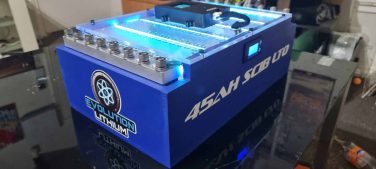
LTO lithium batteries offer several advantages over traditional lead-acid batteries, particularly for car audio systems. These batteries are designed to provide reliable power and enhanced performance, making them an excellent choice for audio enthusiasts.
How LTO Lithium Batteries Improve Sound Quality and Battery Life
LTO lithium batteries improve sound quality and battery life through their superior discharge characteristics. They can deliver high currents without voltage drops, ensuring that your audio system receives consistent power. This results in clearer sound reproduction and reduced distortion, enhancing your overall listening experience.
Comparing LTO Lithium Batteries with Traditional Lead-Acid Alternatives
When comparing LTO lithium batteries to traditional lead-acid alternatives, several key differences emerge:
- Weight: LTO batteries are significantly lighter, making them easier to install and manage.
- Lifespan: LTO batteries typically last longer, with a cycle life of up to 10,000 cycles compared to 500-1,000 cycles for lead-acid batteries.
- Charging Speed: LTO batteries can be charged much faster, allowing for quick recharges during short stops.
These advantages make LTO lithium batteries a superior choice for car audio systems.
What Are the Best Installation and Maintenance Practices for Lithium Batteries?
Proper installation and maintenance of lithium batteries are essential for maximizing their performance and lifespan. Following best practices can help ensure that your car audio system operates reliably.
Ensuring Compatibility Between Alternator, Regulator, and LTO Lithium Battery
When installing an LTO lithium battery, it is crucial to ensure compatibility with your vehicle’s alternator and voltage regulator. Mismatched components can lead to charging issues and reduced performance. Always consult the manufacturer’s specifications to confirm compatibility before installation.
Routine Maintenance Tips to Maximize Battery and Charging System Performance
To maintain optimal performance of your lithium battery and charging system, consider the following routine maintenance tips:
- Regular Inspections: Check connections and terminals for corrosion and tightness.
- Monitor Voltage Levels: Use a multimeter to regularly check voltage output from the alternator.
- Keep the Battery Clean: Ensure the battery terminals are clean and free of debris to prevent poor connections.
Implementing these maintenance practices will help extend the life of your battery and ensure reliable performance for your car audio system.
| Installation Practice | Description | Effectiveness |
|---|---|---|
| Proper Sizing | Ensure the battery fits the designated space | High |
| Secure Connections | Tighten all connections to prevent arcing | High |
| Regular Testing | Check voltage and performance regularly | Medium |