SCiB vs XS Power: High Power Car Audio Batteries
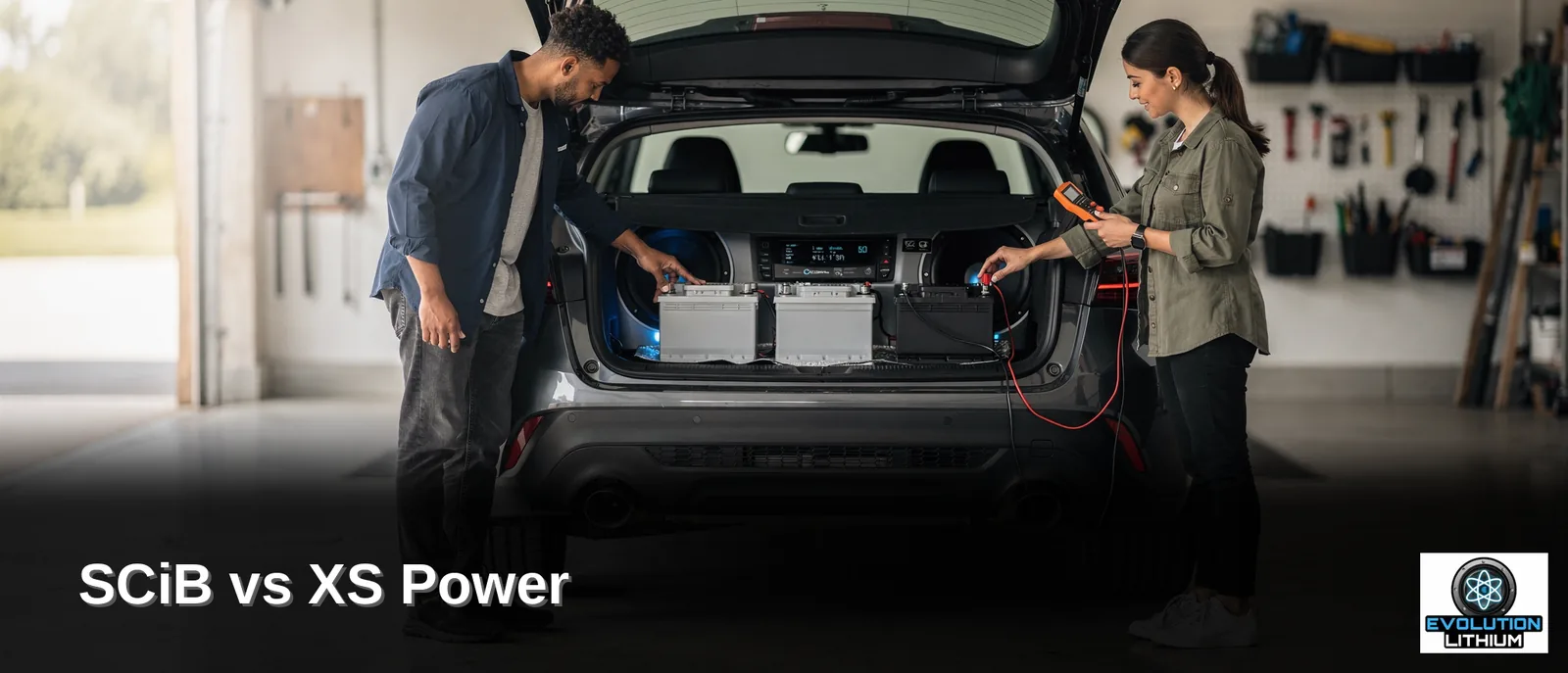
SCiB LTO batteries deliver current faster. Recharge quicker than XS Power AGM units, making them the stronger pick for high-power car audio builds. LTO chemistry reduces voltage drop under repeated heavy bass demand and withstands SPL-level cycling better than lead-acid AGM designs. AGM still suits smaller systems, but competitors pushing serious wattage gain more stability and longevity from SCiB LTO technology.
What Should You Compare in a Car Audio Battery?
Four factors decide whether a car audio battery matches a high-wattage system: chemistry, current delivery, recharge speed, and voltage stability under load. A car audio battery supports amplifiers and the broader electrical system whenever a factory starting battery and alternator cannot keep up with the current demand of a high-power setup. For SPL competitors and bassheads running high-wattage systems, that gap shows up fast. As dimming lights, clipped bass notes, and amps that reset mid-drop.
Chemistry sets the ceiling on performance. For New Zealand builds, the practical choice usually comes down to AGM, LiFePO4, and LTO vs AGM car audio comparisons involving Lithium Titanate Oxide banks such as Toshiba SCiB. Each chemistry handles current differently, so matching the battery to the system’s actual draw matters more than chasing the biggest label on the box.
Does a bigger battery always mean better bass?
No. A larger battery adds reserve capacity, but capacity alone does not stop voltage drop during heavy bass passages. The right battery choice reduces voltage drop and keeps the system stable during demos, SPL runs, or daily heavy-bass listening. A job that depends on discharge rate, not just size.
What role does the alternator play?
The alternator generates energy while the engine runs; the battery only stores it. Weak charging voltage or undersized wiring limits any battery, regardless of chemistry.
The best car stereo battery choice depends on system power, charging setup, and how much voltage drop needs controlling.
How Does SCiB LTO Compare to AGM Under Bass?
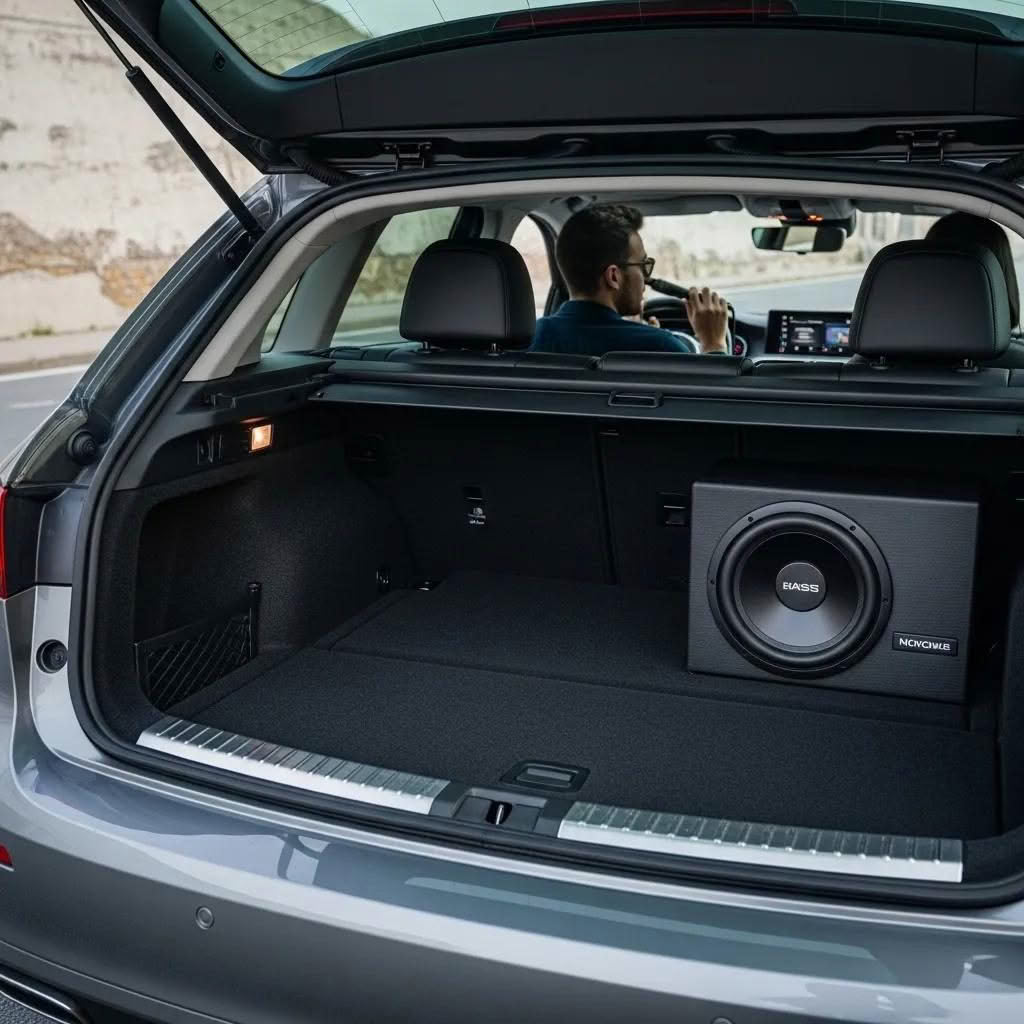
Bass hits the electrical system as a sudden demand, not a gentle draw. SCiB LTO cells answer that demand faster than AGM batteries, delivering current in the split-second bursts a subwoofer needs and recovering before the next kick drum arrives. AGM chemistry stores plenty of reserve energy. Its internal resistance climbs as current spikes. Voltage sags at exactly the moment a heavy note asks the system for a burst of power.
The lto vs agm car audio comparison comes down to reaction speed under load, not total stored capacity.
Evolution Lithium builds its scib vs agm case on discharge rating, offering multiple SCiB configurations including a 75C discharge cell for builds that push well past standard wattage demands. That kind of output puts the scib vs xs power. xs power vs lithium debates in perspective: raw watt claims matter less than how quickly a cell delivers and recovers that current under real bass load.
Where Should the Battery Be Installed for Best Performance?
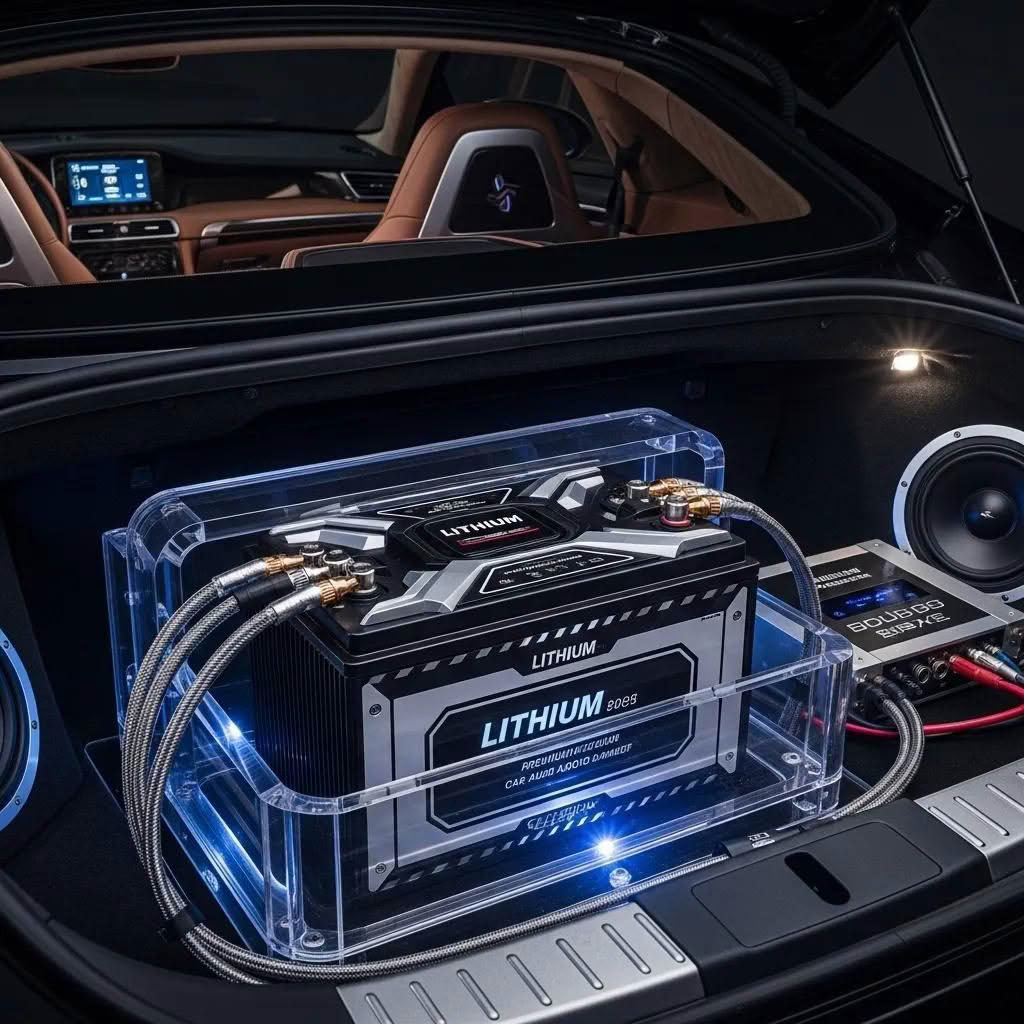
Lithium banks belong in the rear cabin or boot, never under the bonnet. Adding a properly placed secondary battery holds voltage steady. Cleans up amplifier output without putting the factory starter battery at risk.
For SPL competitors weighing a lithium vs agm car audio upgrade or hunting for an xs power battery alternative, SCiB LTO placement and discharge speed make it the stronger case for the best car audio battery in high-current builds.
How Does XS Power AGM Stack Up Against Lithium?
XS Power’s D-Series AGM battery uses 99.99% virgin lead to deliver strong output for daily-driven systems. Toshiba SCiB LTO technology answers the same demand differently, recharging faster and holding voltage steadier through the repeated heavy draw that bass-heavy amplifiers create. For SPL competitors and installers building high-wattage systems, the SCiB vs XS Power question comes down to recovery speed under load, not raw lead purity.
XS Power also sells a modular lithium option, marketed as an add-on capable of contributing up to 5,000 watts to an existing electrical system while running alongside an AGM battery. That setup recharges quickly and works well as a supplement. But pairing lithium with legacy AGM wiring only solves part of the lithium vs AGM car audio equation. Grounds, fusing, and alternator capacity still need attention.
Is XS Power AGM Strong Enough for High-Power Systems?
XS Power AGM performs adequately for light systems but struggles under high-power demands. Once amplifier demand climbs into SPL territory, though, even a well-built AGM battery struggles to recover fast enough between bass hits. A weak alternator, thin wiring, or bad grounds only compounds that struggle. More battery capacity hides the real problem instead of fixing it.
Choosing correctly between SCiB vs AGM. The broader XS Power vs lithium field requires proper installation, including matching cable gauge and charging practices to the chemistry involved. LTO-specific charging habits, paired with proper fusing and grounding, prevent the voltage sag that turns a best car audio battery into a disappointing one.
What Do Car Audio Builders Say About Lithium?
Real-world installers judge lithium vs AGM car audio setups by how voltage behaves under load, not by marketing claims. Forum discussion among builders on the topic of which batteries perform best for lithium or AGM confirms that battery output depends heavily on voltage range. Different chemistries suit different systems.
Is LTO better than LiFePO4 for car audio?
Experienced builders draw a clear line between the two chemistries. LTO earns praise for delivering strong output while ranking among the safest lithium cells available on the market. LiFePO4, by contrast, gets described as a budget option. Cheap and easy to install, but far from a top-tier performer when heavy amplifier demand enters the picture.
That distinction matters for anyone comparing SCiB vs AGM or evaluating lithium against older lead-acid designs. Voltage sensitivity separates the chemistries:
- LTO cells hold a narrower, higher voltage window and reward precise charging setups.
- LiFePO4 cells run cheaper and simpler but sacrifice peak performance under sustained bass demand.
- AGM batteries remain workable for light systems but struggle to match either lithium option under heavy current draw.
What does a proper lithium installation involve?
A secondary lithium install requires more than swapping batteries. A dedicated DIY installation guide walks builders through isolator selection, correct fuse placement, and grounding practice to keep a secondary lithium battery safe and effective. Skipping these steps undermines even the best cell chemistry. Poor wiring or grounding causes voltage sag regardless of what sits under the hood.
Which Battery Fits Your High-Power Bass System?
New Zealand builds still come down to three practical options: AGM, LiFePO4 lithium vs AGM car audio setups, and SCiB LTO banks. Each chemistry serves a different goal. The right pick depends on system wattage, charge speed needs, and how much voltage sag the amplifiers can tolerate. Comparing SCiB vs AGM side by side makes the tradeoffs clear.
For competitors chasing high-wattage output, LTO vs AGM car audio comparisons usually favor LTO once amplifier draw becomes heavy and repetitive. SCiB cells recharge quickly between bass hits and resist the voltage droop that plagues lead-acid designs under sustained load.
Where should a lithium battery bank be mounted?
Engine-bay heat and vibration work against lithium longevity, so installers keep these banks closer to the amplifiers they feed.
Is a bigger battery enough to fix voltage drop?
Not on its own. The battery stores energy, but the alternator, wiring, grounds, and fusing all have to match amplifier demand. Skipping that step just delays the problem instead of solving it.
Builders weighing an XS Power battery alternative or comparing XS Power vs lithium setups will find the same principle applies: a properly sized SCiB LTO bank, paired with correct wiring, remains one of the most reliable paths to the best car audio battery performance for high-output systems. Evolution Lithium’s DIY installation guide walks through the SCiB SKUs and accessories needed to finish that install correctly.
Conclusion
In closing, both the SCiB LTO and XS Power AGM batteries deliver the reliable power and performance that serious car audio enthusiasts demand, each excelling in different operational environments. Your choice ultimately depends on your specific installation priorities—whether you prioritize extreme cold-weather reliability and longevity or prefer the proven track record and widespread compatibility of traditional AGM technology. Either path equips you with a dependable foundation for high-power audio systems that perform when it matters most.