30ah Scib Battery Car Audio RMS Support
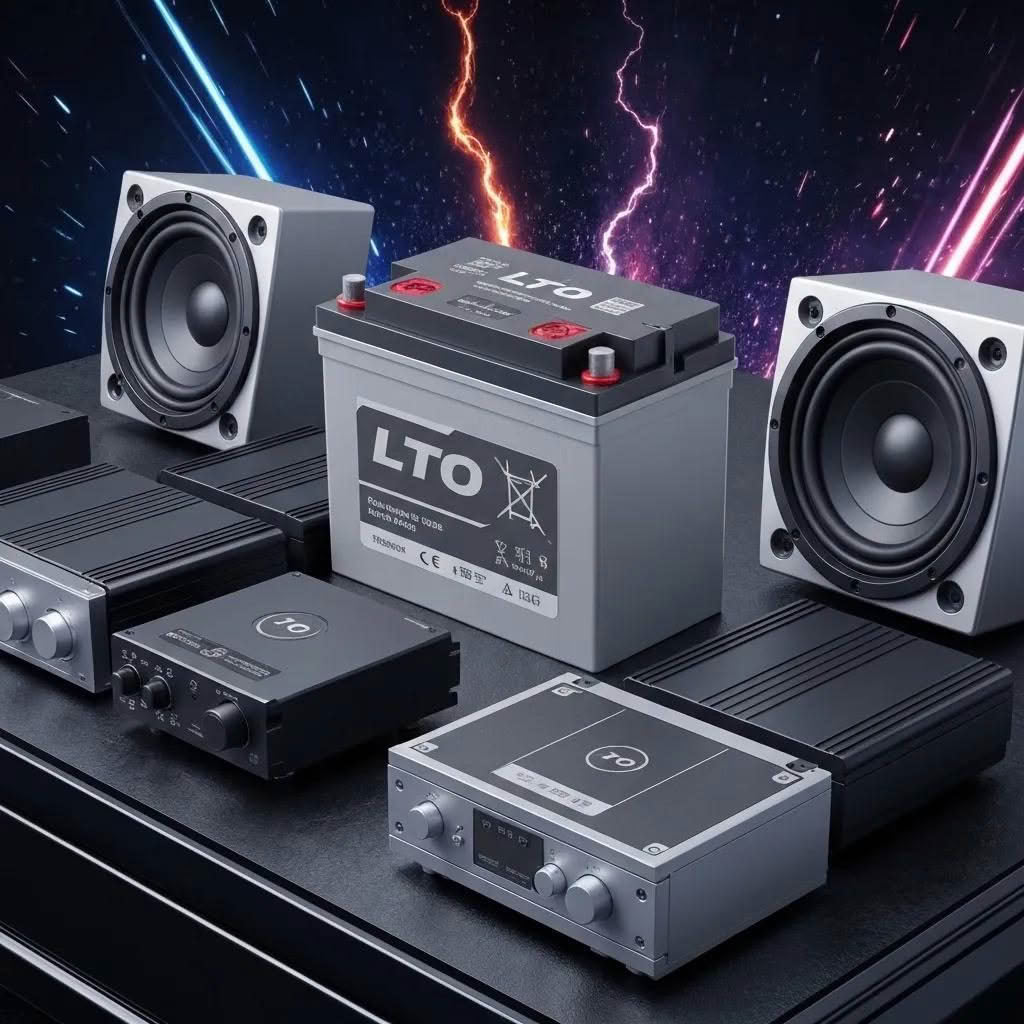
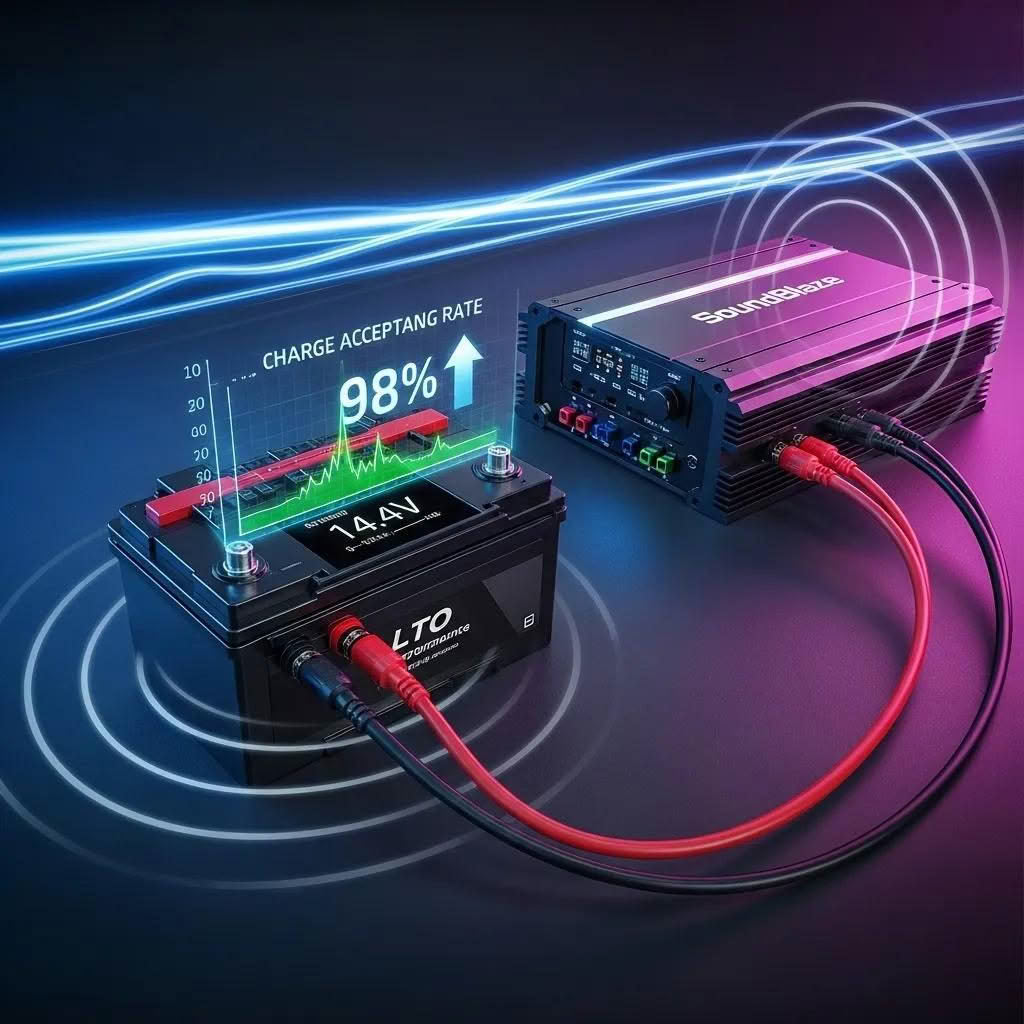
Genuine LTO SCiB cells power our 30Ah battery banks, giving demanding car audio setups the high-discharge current they need. These custom-built packs handle SPL competition builds, powerful amplifiers, and daily driver systems, holding voltage steady under heavy amplifier draw without the sag you’d expect from lead-acid or AGM batteries.
A 30Ah SCiB LTO battery bank gives high-power car audio systems the RMS support they need, whether that’s an SPL competition build or a demo vehicle. Genuine LTO SCiB cells hold voltage under heavy amplifier draw and recover faster than AGM or standard lithium options. This chemistry works well for builders who need rapid charge cycling, stable low-voltage performance, and current delivery they can count on during sustained bass output.
Key Takeaways
- The 30Ah SCiB LTO battery delivers high continuous current for demanding car audio amplifier setups.
- SCiB LTO chemistry supports rapid discharge rates, stabilizing voltage during heavy bass and SPL demos.
- A secondary 30Ah SCiB battery reduces voltage drop without overloading the factory starting battery or alternator.
- SCiB LTO batteries handle thousands of charge cycles, outlasting AGM and standard lithium options in RMS use.
- Our mission is to deliver reliable, safe LTO lithium batteries built specifically for car audio, backed by honest advice and hands-on local support.
What Will This 30Ah SCiB Install Accomplish?
A dedicated 30Ah SCiB battery for car audio RMS support keeps voltage stable once the factory battery and alternator can no longer keep up with a high-power amplifier’s current draw. Bass-heavy playback pulls current in rapid, repeated bursts, and factory electrical systems were never built for that kind of demand. Once the load outpaces what the starting battery and alternator can supply together, voltage sags, headlights dim on bass hits, and amplifiers start clipping instead of playing clean.
Installing a secondary lithium battery closes that gap directly. It holds voltage steady through sustained bass passages and gives amplifiers a cleaner, more consistent power source. Competitors running SPL builds see the biggest benefit, since their systems demand instant current the factory battery can’t deliver on its own. Daily-driver setups get a quieter, more reliable system without constantly taxing the starter battery.
A properly planned install does more than add capacity to the trunk. It matches battery output to actual amplifier demand through sizing calculations, so the bank supports the system instead of just filling space. That process typically covers:
- Calculating amplifier RMS draw under real playback conditions
- Matching battery capacity and discharge rate to that draw
- Planning wiring, fusing, and grounding before mounting anything
- Verifying voltage stability with a multimeter after installation
Does a Bigger Battery Always Mean Better Bass?
Not automatically. Capacity only helps when it matches the amplifier’s actual current demand and the wiring can deliver that power without loss. Size a battery by amp-hour number alone, without considering RMS draw, and you can still end up with voltage sag under heavy bass.
Can This Install Protect the Starter Battery?
Yes. A secondary lithium battery absorbs the audio system’s current demand, isolating that load from the vehicle’s starting circuit. That separation keeps engine-starting reserve untouched, even during extended demo sessions or competition runs.
How Do You Calculate Amplifier RMS Draw?
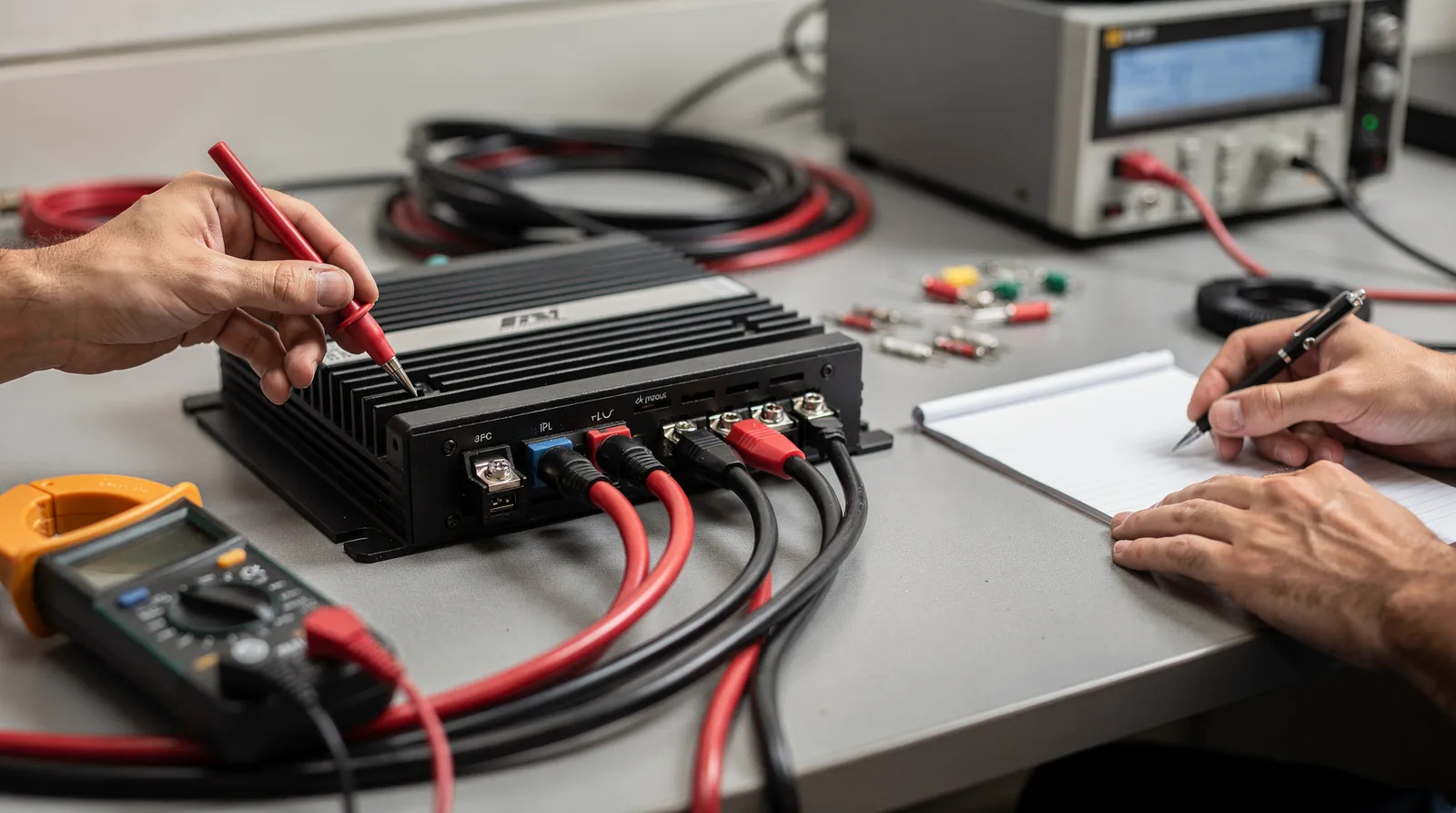
Amplifier RMS draw comes from adding up the continuous power rating of every amplifier in the system, then dividing by system voltage and efficiency to estimate current demand. A daily driver running one amp behaves very differently from a competition build stacking multiple high-power channels. Skip this math and you’re headed straight for voltage sag, clipped bass, and dimming headlights on every kick drum hit.
Start with the numbers printed on each amplifier’s spec sheet, not the marketing peak figures on the box. Follow this sequence:
- Record the RMS wattage rating for each amplifier at the operating voltage.
- Add every amplifier’s RMS rating together for total system demand.
- Divide total watts by average system voltage to get a rough current draw in amps.
- Add roughly 20-30% headroom for amplifier inefficiency and dynamic bass peaks.
The electrical system carries this load in two separate pieces. The alternator generates energy continuously while the engine runs. The battery only stores reserve capacity for the moments demand spikes past what the alternator alone can supply. Confusing these two roles is where a lot of builders go wrong: they oversize the battery bank and assume the charging problem disappears.
Does a Bigger Battery Fix a Weak Alternator?
No. A larger battery bank won’t fix a weak charging system, and leaning on one is only ever a temporary patch. The alternator, wiring, grounds, and fusing all need to match the amplifier’s real RMS draw, or voltage sag returns as soon as the reserve depletes.
Why Does Bass Draw More Current Than Steady Music?
Bass notes aren’t a smooth, continuous load. Every heavy hit asks the electrical system for a sudden burst of current, far higher than the amplifier’s average draw. That burst is exactly what RMS calculations need to account for, since sizing a 30Ah SCiB battery for car audio RMS support means planning for peak bass transients, not just average listening levels.
How Many SCiB Cells Build A 30Ah Bank?
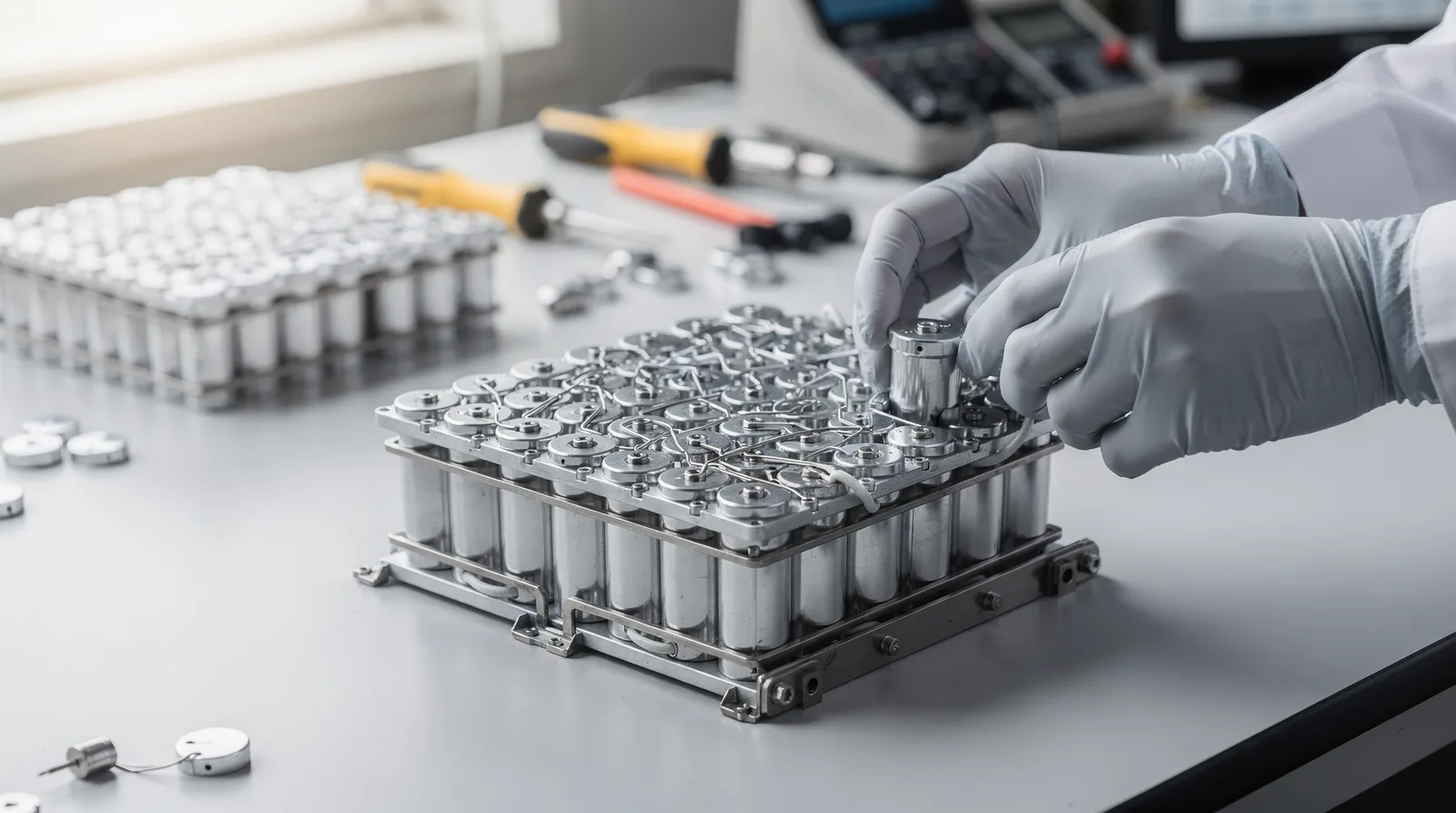
Three 10Ah cells wired in parallel produce a 30Ah bank. Ten 3Ah cells grouped the same way reach the identical capacity. Both paths exist within our SCiB LTO lineup, and the cell count comes down to which building block a custom build starts with. Fewer, larger cells simplify wiring and reduce connection points. More, smaller cells give installers finer control over physical layout inside tight trunk spaces.
Whichever cell size builds it, a 30Ah SCiB battery doesn’t trade away discharge performance for that capacity. The lineup’s 3Ah cell carries a 75C discharge rating, and the 10Ah cell shares that same rating, which shows that cell size alone doesn’t limit burst current. That matters directly for car audio systems, since amplifiers demand sudden, heavy current spikes during bass-heavy passages rather than a steady, predictable draw.
Does cell size affect how a 30Ah bank performs?
Cell size changes the wiring and physical footprint far more than it changes raw performance. Because both the 3Ah and 10Ah SCiB cells share a 75C discharge rating, a bank built from either size supports the same high-current demand under load. The choice usually comes down to available mounting space and how many parallel connections a builder wants to manage.
Can these cells be sourced for a DIY build?
Toshiba SCiB 10Ah cells are available to builders who want to assemble a custom bank rather than buy a pre-built unit. This suits enthusiasts comfortable with balancing, bus bar fabrication, and series-parallel configuration work. Sourcing individual cells gives SPL competitors and custom installers full control over voltage, capacity, and physical layout to match a specific amplifier’s RMS support requirements.
A 30Ah target, built either way, gives installers a repeatable framework for scaling capacity to match amplifier RMS demand without guesswork.
Where Should The Battery Bank Be Installed?
Lithium battery banks belong in the rear cabin or boot area, never under the bonnet. Engine bay heat and vibration create a harsh environment for lithium cells, and keeping the bank near the amplifiers also shortens the power run. A 30Ah SCiB battery for car audio RMS support performs best when it sits close to the equipment drawing the current, not buried far away under load.
Placement alone won’t fix a weak electrical foundation. Adding battery capacity only masks trouble if the alternator, wiring, grounds, fusing, or charging voltage are already wrong. SPL competitors chasing bigger numbers sometimes stack cells first and diagnose problems later — that order should be reversed.
Does A Bigger Battery Fix Voltage Sag?
Size isn’t the deciding factor. The strongest subwoofer battery isn’t automatically the largest one that fits in the boot — it’s the one positioned and wired to hold voltage under heavy current draw. A poorly grounded oversized bank will still sag on hard bass notes.
Before mounting the bank, builders should confirm the following:
- Choose a rear cabin or boot location, away from engine heat.
- Inspect alternator output and wiring gauge for the amplifier load.
- Verify grounds are clean, tight, and properly sized.
- Check fusing matches the current the system actually draws.
- Confirm charging voltage suits the lithium chemistry before final installation.
Skip these checks and a promising upgrade turns into a recurring troubleshooting job. Correct placement paired with a sound electrical base gives the battery bank a real chance to perform.
How Do You Wire, Fuse, And Ground It?
Correct installation determines whether a lithium bank delivers stable voltage or becomes another point of failure. Voltage sag, undersized fusing, and weak grounding rank among the most common mistakes new installers make on high-draw systems. A properly wired 30Ah SCiB battery built for car audio RMS support only performs as designed when the isolator, cabling, and ground path match the amplifier’s actual current draw.
The install sequence matters as much as the parts list. Follow these steps in order:
- Confirm amplifier RMS ratings and total current draw before selecting cable gauge.
- Choose an isolator rated for the combined system load, not just the alternator’s output.
- Mount the secondary battery close to the amplifier to shorten cable runs.
- Install a fuse near the battery’s positive terminal, before any other connection point.
- Strip and clean the ground point down to bare metal for a low-resistance connection.
- Run a dedicated ground wire matched in gauge to the positive cable.
- Test voltage under load with a multimeter before closing up the install.
What Fuse Placement Prevents Electrical Failures?
Fuse placement protects the wiring harness, not just the battery. Positioning the fuse within a short distance of the battery’s positive terminal limits the length of unprotected cable exposed to a short circuit. Skip this step, or place the fuse too far downstream, and the vehicle is vulnerable to a wiring fire under fault conditions.
Why Does Grounding Affect Bass Performance?
A weak ground point starves the amplifier of return current exactly when bass demands the most. It doesn’t matter how well the battery holds voltage under heavy current pull if the ground path can’t complete the circuit efficiently. Clean, properly gauged grounds keep the whole system, from isolator to subwoofer, working as one stable unit rather than a chain of compromises.
How Do You Test Voltage Under Load?
Testing voltage under load takes a multimeter, a real bass passage, and close attention to how the reading moves once amplifiers start pulling current. A resting voltage check tells you almost nothing about how a system behaves during a demo or an SPL run. Systems that measure fine at idle often collapse the moment heavy bass hits, and that gap is exactly what load testing exposes.
A full build check applies whether the setup is a simple daily-driver speaker upgrade or a full-blown SPL competition rig. Every critical component — battery, alternator, wiring, grounds — needs verification under actual demand, not guesswork.
Follow these steps for a reliable load test:
- Connect a multimeter to the battery terminals with the engine running and the audio system off.
- Record the baseline resting voltage before any bass hits.
- Play a heavy, sustained bass passage at demo or competition volume.
- Watch the multimeter for the lowest voltage point during the loudest moment.
- Compare that low point against the baseline reading.
- Repeat with a 30Ah SCiB battery or similar high-discharge lithium bank installed to check improvement.
A large voltage gap between resting and loaded readings signals trouble. If the battery and alternator can’t keep pace, voltage drops, bass output weakens, and the amplifier works harder than it should just to hold ground.
What voltage drop indicates a problem?
A drop of more than a volt or two during heavy bass passages usually points to reserve capacity that can’t keep up with amplifier demand. Persistent dimming headlights or clipped audio during bass hits confirm the same issue.
Why does RMS rating matter for testing?
Amplifier RMS support determines how much continuous current the electrical system must sustain without sagging. Testing under load with the amplifier’s actual RMS demand, rather than a light or idle load, gives an accurate picture of whether the battery bank can hold voltage stable throughout an entire performance.
How Do You Maintain Balance And Charging?
Balance and charging come down to matching the charging system to the battery, not the other way around. A secondary lithium battery holds voltage steady and delivers cleaner amplifier output, all without putting the starter battery at risk. That single upgrade remains one of the most effective long-term fixes for sagging bass hits and dimming headlights.
Custom sound system builders should follow a clear sequence when adding or maintaining a secondary bank:
- Confirm the alternator output matches the amplifier’s demand before wiring anything.
- Install an isolator between the starting battery and the secondary lithium bank.
- Select cable gauge sized to the amplifier’s RMS support requirement, not just peak power.
- Check voltage at idle and under load with a multimeter, comparing readings against baseline specs.
- Recheck terminal connections and grounds on a routine schedule, since loose grounds cause more voltage drop than the battery itself.
We build lithium titanate oxide (LTO SCiB) battery banks from genuine SCiB cells, engineered for consistent performance over time. These banks suit high-discharge audio systems, SPL competition builds, powerful amplifier setups, and daily-driven vehicles, without asking owners to change their charging habits for each use case.
Does an LTO battery need special charging equipment?
LTO chemistry tolerates rapid charge and discharge cycles better than standard lead-acid or AGM batteries, which reduces strain during heavy bass passages. Builders still need a charging system sized correctly for the battery bank’s voltage range. Skip that step and you shorten the battery’s working life while reintroducing the same voltage sag the upgrade was meant to fix.
How often should voltage be checked?
Checking voltage before and after major listening sessions catches problems early. SPL competitors benefit from testing before every event, since heavy demo use accelerates any hidden wiring or grounding issue.
What Mistakes Reduce RMS Support Reliability?
Weak grounds, mismatched wiring, and oversized battery banks bought as a shortcut all undermine reliable RMS support in a car audio system. Builders who stack capacity without checking the alternator or charging system just trade one problem for another, hidden one. A system pulling heavy current during bass-heavy passages exposes those weaknesses fast, often at the worst possible moment during a demo or SPL run.
Does more battery capacity fix a weak electrical system?
No. Adding capacity to a system with a weak alternator, poor wiring, or bad grounds only masks the symptom temporarily. The root cause remains unresolved, and voltage instability returns once the extra capacity gets consumed under sustained load.
Common mistakes that compromise reliability include:
- Treating battery capacity as a substitute for proper alternator output.
- Skipping ground and wiring inspections before installing a 30Ah SCiB battery bank.
- Ignoring fusing requirements sized for peak current draw, not average draw.
- Assuming charging voltage settings from a factory system will suit a lithium bank without adjustment.
Each of these shortcuts leads to the same outcome: voltage drop under load, headlights dimming with every kick drum hit, amplifiers clipping or dropping into protect mode, and in worse cases, damaged electrical components downstream.
Why does bass punish a poorly built system faster than other loads?
Bass isn’t a smooth, gentle load. Every low note demands a sudden burst of current, then a rapid recovery, over and over throughout a track. Undersized batteries and weak grounds can’t keep pace with that rhythm, so voltage sags with each hit instead of holding steady.
Builders should treat wiring gauge, grounding points, and charging voltage as inspection priorities before adding any new battery bank. A properly sized bank paired with sound wiring and a correctly matched alternator delivers stable voltage through sustained bass passages. Skip that inspection step and hope extra capacity alone solves voltage sag, and you’ve made the single most common reliability mistake in high-power car audio builds.
FAQ
Why do factory batteries struggle with high-power amplifiers?
Bass-heavy playback pulls current in rapid, repeated bursts that factory electrical systems weren’t built for. Once demand outpaces the starting battery and alternator, voltage sags, headlights dim, and amplifiers clip instead of playing clean.
What makes SCiB LTO chemistry effective for RMS support?
Genuine LTO SCiB cells hold voltage under heavy amplifier draw and recover faster than AGM or standard lithium options, supporting rapid discharge rates and stabilizing voltage during heavy bass and SPL demos.
What does a proper 30Ah SCiB installation process include?
It covers calculating amplifier RMS draw under real playback conditions, matching battery capacity and discharge rate to that draw, planning wiring, fusing, and grounding, and verifying voltage stability with a multimeter afterward.
Conclusion
In closing, matching your car audio system’s RMS demands to a 30Ah SCiB battery’s actual output takes careful thought, not guesswork. Understanding discharge rates, sustained power delivery, and real-world listening habits helps you build a setup that performs reliably instead of one that disappoints under load. Take time to calculate your true power needs, compare them against what the battery consistently delivers, and plan your electrical system accordingly. This groundwork pays off with a sound system that stays dependable, efficient, and ready to perform every time you turn the key.