

LTO Battery Bank Installation Mistakes to Avoid
Top Mistakes When Installing LTO Battery Banks: Expert Guidance for Reliable Setup and Safety
Installing LTO (Lithium Titanate Oxide) battery banks can be a complex process, and many individuals encounter common pitfalls that can lead to performance issues and safety hazards. This article aims to provide expert guidance on the top mistakes to avoid during installation, ensuring a reliable setup and enhanced safety. Readers will learn about critical wiring errors, essential safety protocols, and effective troubleshooting methods. By understanding these common installation mistakes, individuals can significantly improve the reliability and performance of their LTO battery systems. The following sections will delve into specific mistakes and best practices to ensure a successful installation including DC to DC charger setups.
What Are the Most Common Wiring Mistakes in LTO Battery Bank Installation?
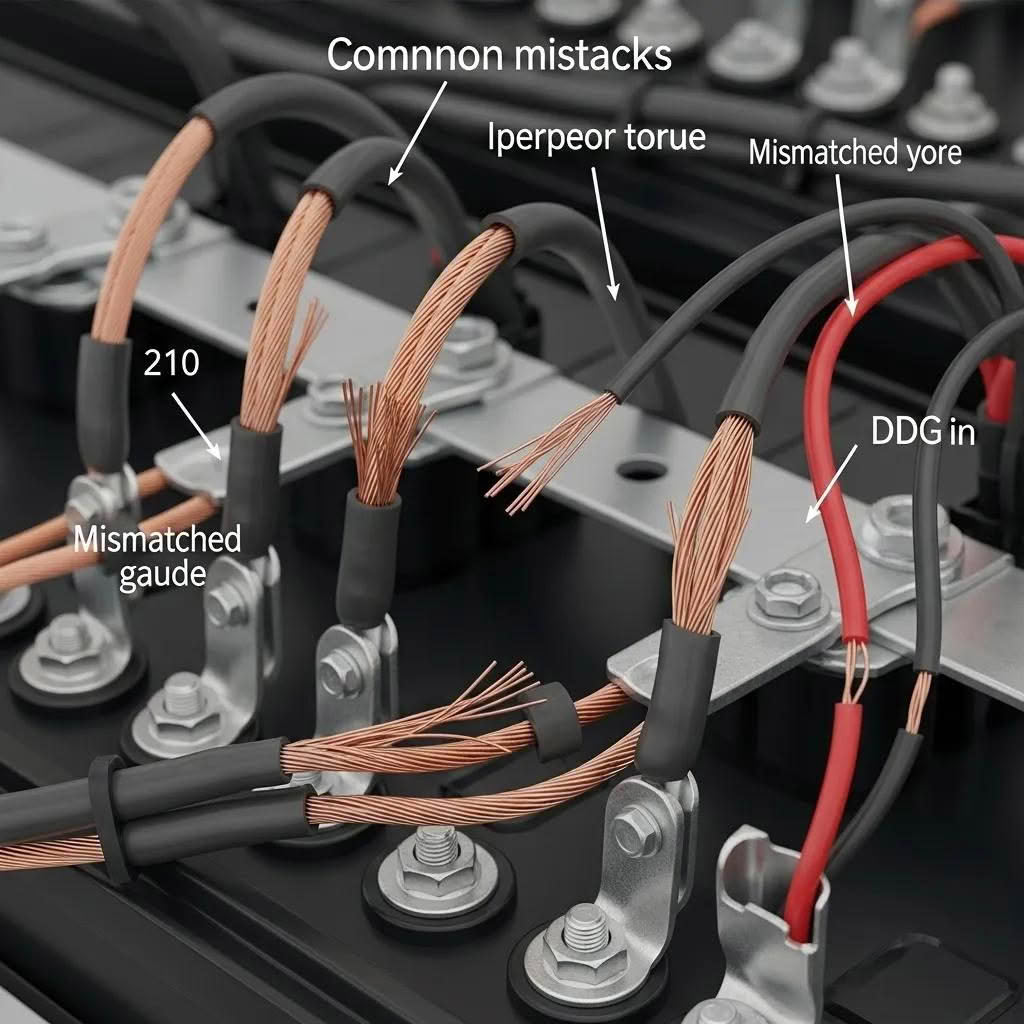
Wiring mistakes are among the most prevalent issues encountered during the installation of LTO battery banks. These errors can lead to significant performance degradation and safety risks, making it crucial to identify and rectify them early in the installation process. Common wiring mistakes include incorrect connections, inadequate wire sizing, and poor insulation practices. Each of these errors can compromise the efficiency and safety of the battery system, leading to potential failures and hazards.
How Does Incorrect Wiring Impact LTO Battery Performance and Safety?
Incorrect wiring can severely impact the performance and safety of LTO battery banks. For instance, improper connections can lead to voltage drops, resulting in reduced efficiency and increased heat generation. This heat can cause thermal runaway, posing a significant safety risk. Additionally, inadequate wire sizing can lead to overheating and potential fire hazards. Real-world examples have shown that installations with wiring errors often experience premature battery failure, highlighting the importance of proper wiring practices.
What Best Practices Prevent Wiring Errors in LTO Battery Systems?
To prevent wiring errors in LTO battery systems, several best practices should be followed. First, always refer to the manufacturer’s specifications for wiring diagrams and recommended wire sizes. Second, ensure that all connections are secure and properly insulated to prevent short circuits. Third, conduct thorough inspections of the wiring before powering up the system. By adhering to these best practices, installers can significantly reduce the likelihood of wiring mistakes and enhance the overall safety and performance of the battery bank.
What Are Frequent Battery Management System Setup Errors in LTO Banks?

Troubleshooting is an essential process for addressing common installation problems in LTO battery banks. Identifying symptoms of installation errors can help pinpoint the root cause of issues, allowing for timely resolution. Common symptoms include unexpected voltage fluctuations, overheating, and communication errors between components. By recognizing these symptoms early, installers can take corrective action to prevent further complications.
What Are Typical Symptoms of Installation Errors in LTO Battery Systems?
Typical symptoms of installation errors in LTO battery systems include inconsistent performance, such as fluctuating voltage levels and unexpected shutdowns. Additionally, overheating during operation can indicate wiring issues or inadequate thermal management. Recognizing these symptoms is crucial for diagnosing problems and implementing effective solutions.
Which Diagnostic Methods Effectively Identify and Resolve Setup Issues?
Effective diagnostic methods for identifying and resolving setup issues in LTO battery banks include visual inspections, voltage and current measurements, and software diagnostics. Visual inspections can reveal wiring errors or component damage, while voltage and current measurements can help identify performance issues. Software diagnostics can provide insights into BMS functionality and communication errors. By employing these diagnostic methods, installers can effectively troubleshoot and resolve installation problems.
What Are Best Practices to Avoid Installation Errors in LTO Battery Banks?
Implementing best practices is essential for avoiding installation errors in LTO battery banks. These practices encompass proper planning, adherence to safety protocols, and thorough testing of the system post-installation. By following these guidelines, installers can enhance the reliability and performance of their battery systems.
How Do Case Studies Illustrate Successful LTO Battery Installations?
Case studies of successful LTO battery installations highlight the importance of following best practices. For instance, one case study demonstrated that a thorough pre-installation assessment and adherence to wiring best practices resulted in a highly efficient and safe battery system. These real-world examples serve as valuable learning tools for future installations, emphasizing the need for diligence and attention to detail.
What Preventative Measures Enhance Long-Term Reliability and Performance?
Preventative measures that enhance long-term reliability and performance of LTO battery banks include regular maintenance checks, software updates, and monitoring of thermal management systems. By implementing these measures, users can ensure that their battery systems operate efficiently and safely over time. Regular maintenance not only extends the lifespan of the batteries but also helps prevent potential issues before they arise.
This table illustrates how different installation practices contribute to the overall effectiveness and safety of LTO battery systems, emphasizing the importance of adhering to best practices during installation.