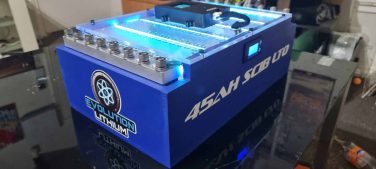


How Battery Capacity and Discharge Rate Affect Lithium Battery Price
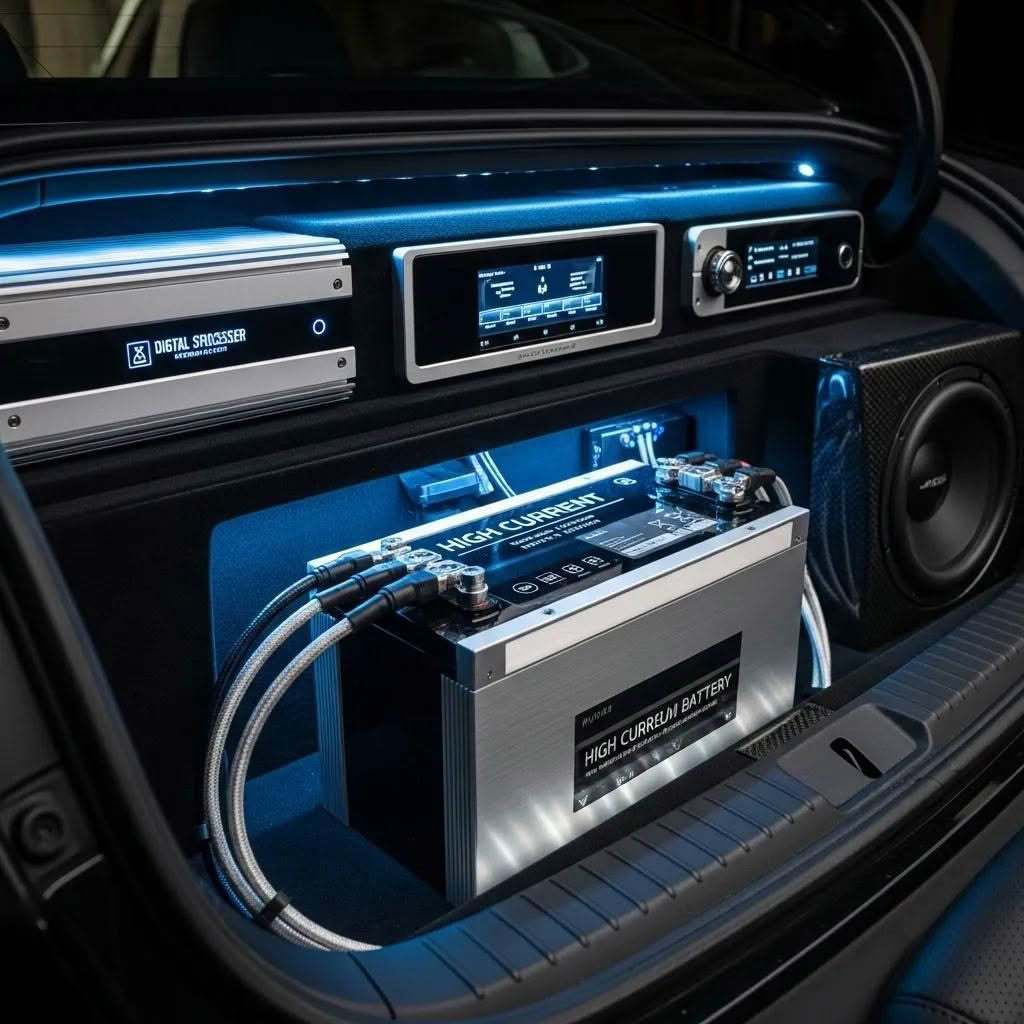
Battery capacity quietly dictates both performance and price in car audio systems. As setups grow more refined, the demand for batteries that can deliver high current while holding a steady voltage becomes paramount. This guide examines how capacity shapes cost, the technologies that elevate performance, and why matching capacity to amplifier power matters. With that understanding, you can choose a battery that delivers optimal sound and lasting value for your system. We will define capacity, outline the benefits of LTO and SCiB chemistries, and offer practical selection guidance.
Beyond pure numbers, capacity influences installation choices and long-term ownership. A larger-capacity pack can reduce stress on charging systems, decrease the frequency of deep discharge cycles, and allow the vehicle’s charging system to recover between peaks more effectively. That operational behavior is often why professional installers and enthusiasts accept a higher initial outlay for premium cells and packaging: the day-to-day experience and total cost of ownership usually improve.
Key Takeaways
- Battery capacity, measured in ampere-hours, directly influences car audio battery pricing and performance stability.
- LTO and SCiB lithium technologies enhance voltage stability and support high discharge rates for superior audio quality.
- Matching battery capacity to amplifier RMS power prevents overheating and ensures reliable, distortion-free audio performance.
- Wiring gauge, fusing, and alternator upgrades significantly impact battery efficiency, longevity, and overall system cost.
- High discharge rates (C-rate) improve dynamic audio playback by maintaining stable voltage during peak power demands.
- Voltage stability is critical for consistent amplifier power delivery and justifies higher costs of premium batteries.
- Proper diagnosis of voltage drops and audio clipping protects investment and maintains sound integrity in car audio systems.
- Interactive sizing guides and expert resources assist users in selecting optimal car audio batteries for their needs.
- Evaluating total ownership costs, including lifespan and performance, is essential when investing in high-current lithium car audio batteries.
What Defines Car Audio Battery Capacity and Its Role in Pricing?
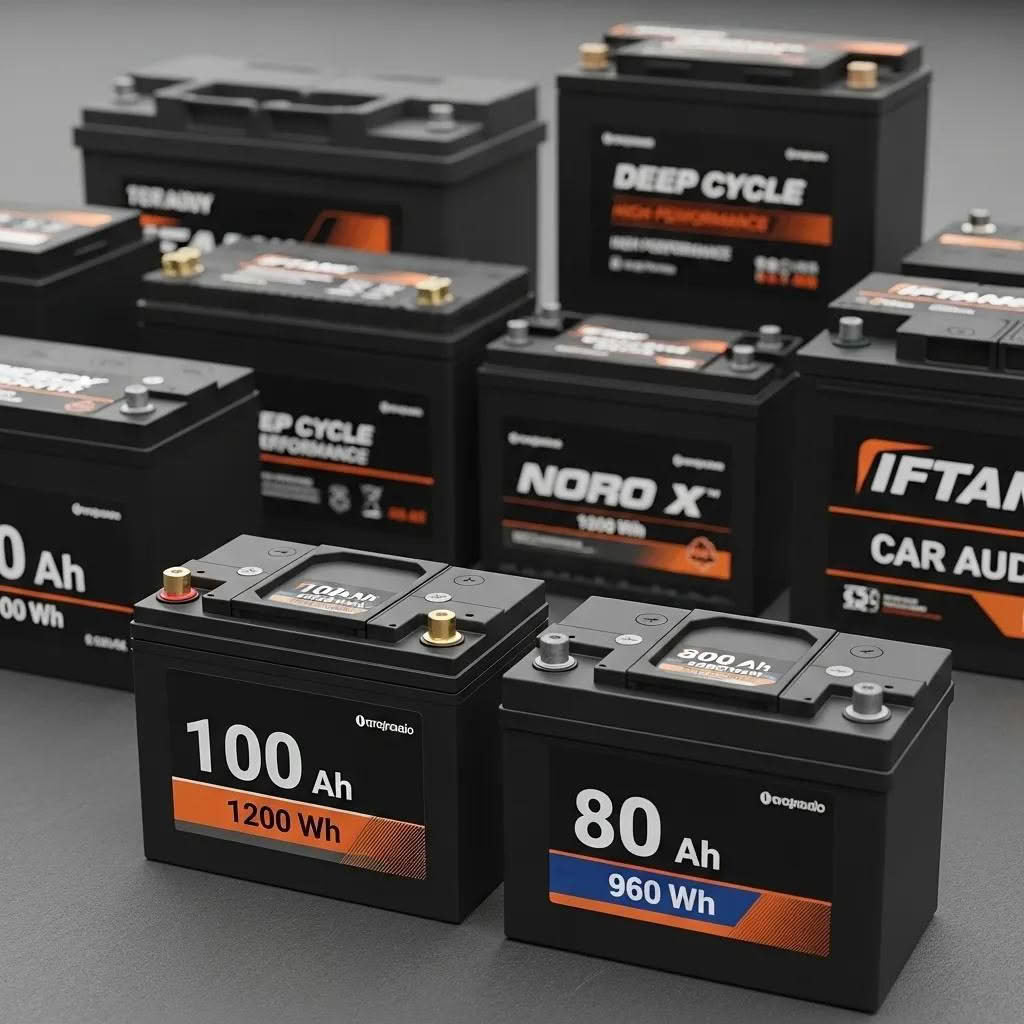
Capacity measures the electrical energy a battery can store and release, most often specified in ampere-hours (Ah). Higher-capacity packs support more demanding audio rigs, sustaining voltage when currents surge. Because greater capacity requires advanced materials and refined construction, it often commands a higher price—a bespoke trade-off between capability and cost.
Two commonly used ratings are Ah and Wh; Wh combines capacity with nominal voltage to express total stored energy. For designers and installers, both numbers are useful: Ah is directly tied to current delivery over time, while Wh helps compare energy stored across different nominal voltages. Reading both values gives a clearer picture of potential runtime and how a battery will behave under load.
How Is Battery Capacity Measured and Why Does It Matter?
Capacity appears as ampere-hours (Ah) or watt-hours (Wh). A larger capacity preserves voltage under heavy draw, which is essential to keep amplifiers clean and free from distortion. Understanding these ratings lets you select a battery that reliably delivers the power your system needs.
When evaluating capacity, consider expected usage patterns: short, intense bursts of current (typical in SPL applications) demand different characteristics than long-duration moderate draws. Choosing a capacity that matches load profiles reduces the chance of premature wear and gives more predictable performance in real listening scenarios.
Which Battery Attributes Directly Affect the Cost of Car Audio Power Systems?
Price reflects several core attributes: capacity (Ah), discharge capability (C-rate), and voltage stability. Capacity defines stored energy; C-rate governs how quickly it can be released; and voltage stability determines consistent amplifier performance. Together, these factors shape both cost and the listening experience.
Packaging, thermal management, and internal cell balancing also influence cost. Higher-grade modules include robust thermal paths and balance circuitry that reduce degradation and maintain uniform cell performance over many cycles—features that add manufacturing cost but extend usable life.
How Do LTO and SCiB Technologies Elevate Voltage Stability and Price?
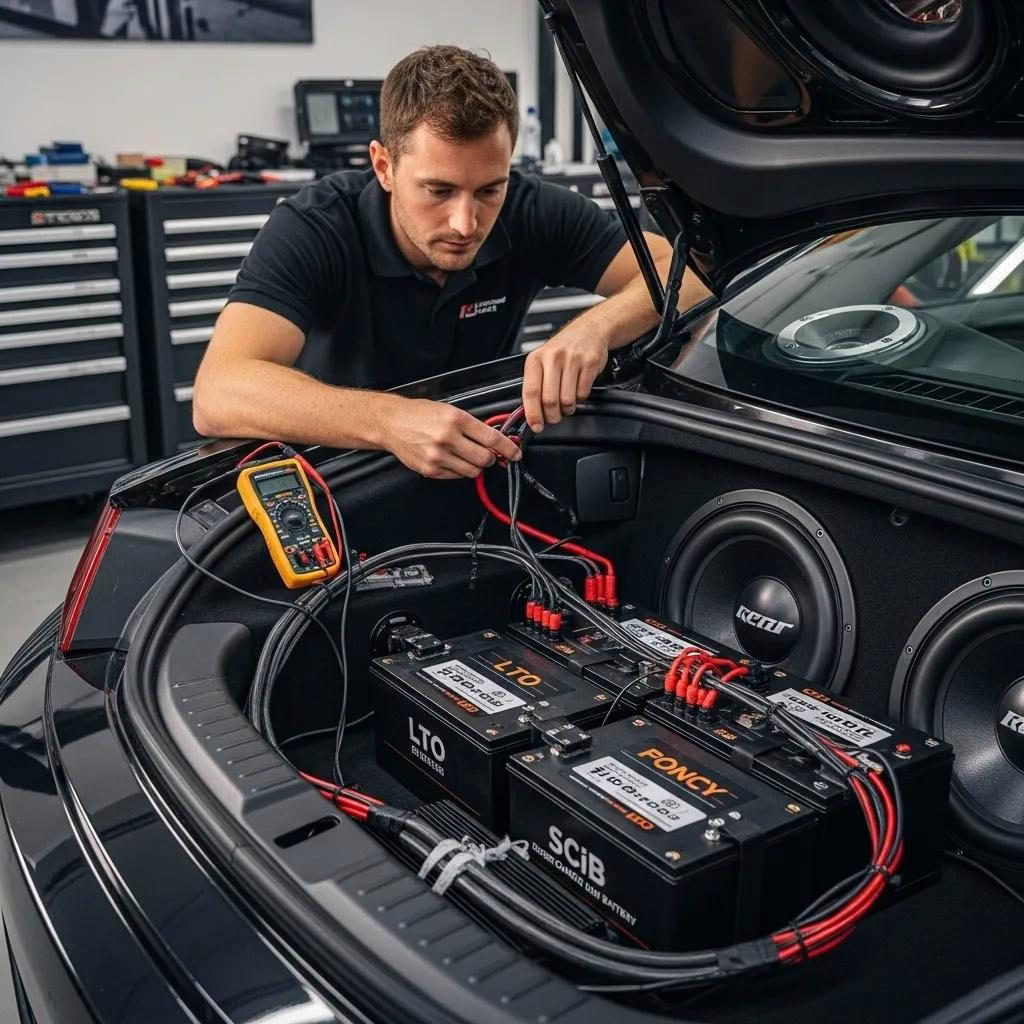
LTO (Lithium Titanate Oxide) and SCiB (Super Charge Ion Battery) chemistries deliver exceptional voltage stability by enabling very high discharge rates. They supply large peak currents with minimal voltage sag and recharge swiftly between excursions—qualities that justify their premium pricing through tangible performance gains.
Beyond peak current, these chemistries often include cell designs that tolerate rapid charge and discharge with reduced internal resistance growth over time. That means a battery built with LTO or SCiB cells will typically retain its performance characteristics longer than many alternatives, contributing to a lower effective cost per cycle across the product lifetime.
What Are the Distinctive Features of LTO and SCiB Batteries in Car Audio?
These chemistries exhibit long cycle lives—often exceeding 20,000 cycles—while remaining lighter and more compact than traditional lead-acid options. LTO variants accept high charge rates, allowing rapid recovery after heavy use, a crucial trait for dynamic playback and sustained SPL performance.
Manufacturers use these chemistries in modules that prioritize mechanical robustness and thermal stability. This modular approach simplifies installation and allows system designers to balance capacity, weight, and cost to meet specific performance targets without resorting to large, heavy battery banks.
How Does Voltage Stability Influence Battery Pricing and Performance?
Stable voltage ensures amplifiers receive an even power feed, which elevates effective RMS output and preserves sonic clarity. Batteries that maintain voltage under load typically cost more up front, but that stability translates into demonstrable improvements in sound and system reliability.
Investors in higher-end batteries often cite predictable performance as the most valuable benefit: the system behaves the same across sessions, installations are simpler because less compensating hardware is needed, and diagnostic time falls. For professional builds, that reliability is often the decisive factor when comparing alternative battery choices.
Further research highlights the critical role of amplifier design and efficiency in maximizing battery life and audio quality in such demanding applications.
Audio Amplifier Efficiency for Battery-Powered Systems
Energy efficiency is crucial for audio amplifiers in mobile devices, as it directly affects battery life. Recent research has concentrated on enhancing audio quality and efficiency, particularly in Class G and Class H audio amplifiers. This article reviews the latest advancements and trends in mobile amplifier design, focusing on improvements in efficiency, power supply noise rejection (PSRR), and total harmonic distortion plus noise (THD+N).
Recent Trends in Audio Power Amplifiers for Battery-Powered Applications, JF Luís, 2025
Why Is Matching Battery Capacity to Amplifier RMS Power Essential for Optimal Investment?
Correctly sizing a battery to an amplifier’s RMS power prevents overheating and preserves reliable operation. A well-matched battery sustains voltage during peaks, extending the life of both the battery and your audio components. In short, appropriate capacity protects your investment and keeps the sound true.
When you undersize a battery, the system compensates through higher current draw and more frequent deep discharges; both behaviors accelerate wear. Oversizing introduces unnecessary weight and cost without proportional benefit. The ideal solution balances expected use, acceptable runtime between recharges, and the physical constraints of the vehicle.
How Does Amplifier Power Demand Dictate Battery Bank Sizing?
Begin by totaling the RMS power of your amplifiers. At an operating voltage near 14.4V, a 2000W amplifier draws about 140 amps. Allow a 20–30% safety margin for inefficiencies so the battery bank can handle peaks without stress.
Translate that continuous or peak current into an Ah requirement by considering expected duration at that load. The basic relationship is straightforward: higher average current reduces available runtime proportionally. Use this approach to estimate how many Ah you need for the intended usage profile, then factor in the recommended safety margin and the battery’s usable capacity under the intended discharge conditions.
What Numerical Guidelines Assist in Selecting the Perfect Battery Capacity?
Assess total RMS wattage, then convert watts to amps with I (A) = P (W) / V (V). Choose a battery whose capacity meets or exceeds the calculated requirement to ensure consistent performance under load.
In practice, experienced installers also consider alternator recovery time between peaks, typical session lengths, and whether a secondary reserve battery or supercapacitor bank is part of the design. These pragmatic considerations refine the raw numerical guidelines and lead to more predictable real-world performance.
Which Wiring, Fusing, and Alternator Strategies Impact Battery Performance and Cost?
Wiring gauge, fusing technique, and alternator output materially affect battery performance and overall expense. Cable size and quality govern current flow; fusing safeguards the system; and the alternator must supply the required current. These elements together determine efficiency, longevity, and total system cost.
Good wiring practice reduces resistive losses and prevents local heating at connection points—both of which help the battery deliver usable energy where it is needed. Choosing reliable terminals, using robust crimping techniques, and protecting runs from abrasion all contribute to lower long-term maintenance costs and more consistent system behavior.
How Do Wiring Gauge and Fusing Practices Affect Battery Efficiency and Longevity?
Thicker gauge wiring reduces resistance, essential for high-current demands. Correct fusing averts overheating and protects components. Regular inspection of connections and cable condition preserves performance and extends service life.
Fuses should be selected to protect conductors and equipment without nuisance trips; placement matters too—fuses positioned close to the battery protect the entire length of cable. Periodic torque checks at terminal connections and visual inspections for corrosion are low-cost steps that yield outsized improvements in reliability.
What Alternator Upgrades Complement High-Capacity Car Audio Batteries?
High-output alternators are recommended when sustained draw surpasses the stock alternator’s capability. Upgrading the alternator and implementing a Big 3 wiring improvement reduces voltage drop and improves grounding. Maintaining correct charge profiles for lithium chemistries prevents over- and under-voltage, further refining battery performance.
When alternator capability is a limiting factor, staged upgrades often deliver the best value: increase alternator output where needed, then address wiring and distribution to ensure that extra current is delivered where it is required. Complementary measures such as isolators or intelligent charging systems can protect the primary starter battery while provisioning dedicated audio power.
How Does Battery Discharge Rate Influence Price and Audio System Reliability?
A battery’s discharge capability defines how rapidly it can release stored energy—key to holding voltage during dynamic playback. Higher-discharge batteries cost more initially but deliver meaningful gains in performance and reliability, making them a prudent choice for discerning enthusiasts.
Discharge performance also affects thermal behavior: cells with lower internal resistance produce less heat for a given current and therefore require less aggressive cooling or thermal management in cramped vehicle installations. That reduced ancillary complexity can offset some upfront cost differences in real installations.
What Is the Importance of High C-rate Performance in Car Audio Batteries?
High C-rate performance lets a battery supply power swiftly during peaks, reducing distortion and preserving consistent output. Investing in high C-rate cells improves the listening experience by ensuring reliable power when the music demands it.
From an installer’s perspective, C-rate informs component selection across the system: fuses, terminals, and wiring must all be matched to the battery’s capability to ensure safe, efficient delivery. Planning the entire power path around the battery’s discharge characteristics yields the best combination of sound quality and safety.
How Does Discharge Rate Correlate with Battery Cost and User Experience?
Greater discharge capability typically elevates cost, yet it yields perceptible improvements in voltage stability and sound quality. Many users report immediate sonic gains after switching to lithium solutions with higher C-rates, which often justifies the investment.
Value-conscious buyers should weigh short-duration performance gains against expected lifecycle and warranty terms. In many cases, the subjective improvement in playback and the reduced need for corrective system components balance the higher acquisition cost.
What Are the Practical Pricing Considerations for High-Current Car Audio Batteries?
Chemistry is a primary pricing factor: lithium options generally carry a premium over lead-acid types. Consider both upfront price and lifecycle value; premium lithium batteries often repay their cost through longer life and superior sustained performance. Evaluate total ownership costs to make a considered investment.
When comparing products, include warranty duration, recommended operating temperature range, expected cycle life in the intended use case, and replacement costs. Some batteries include management hardware and enclosures that increase initial cost but reduce installation time and potential failure points—factors that matter in professional builds.
How Can Enthusiasts Diagnose Voltage Drop and Audio Clipping to Protect Their Investment?
Look for visual cues—dimming headlights during heavy bass—and listen for distortion. Measure voltage at amplifier terminals with a multimeter under load to pinpoint issues. These straightforward checks help safeguard your system before problems escalate.
A methodical diagnostic approach includes logging voltage at idle and under load, checking voltage at both the battery and amplifier terminals, and isolating sections of the system to find the highest-resistance points. Documenting findings helps technicians propose targeted improvements rather than wholesale replacements.
What Are the Signs of Voltage Instability in Car Audio Systems?
Typical signs include dimming headlights on bass hits and audible clipping at high volumes. Measuring voltage drops during operation with a multimeter confirms instability so corrective action can be taken.
Persistent instability under expected conditions often points to wiring or connection problems rather than the battery alone. Before replacing major components, verify cable integrity, terminal condition, and the alternator’s ability to recover the system between peaks.
Which Solutions Mitigate Voltage Drop and Preserve Sound Integrity?
Mitigation measures include the Big 3 wiring upgrade—thicker battery, alternator, and ground cables—and installing a high-output alternator to meet peak demands. Routine maintenance of connections and cabling is essential to preserve sound integrity.
Other practical steps include staged system upgrades: address grounding and rail stability first, confirm alternator and charging system behavior next, and then expand battery capacity if needed. This sequence often offers the best cost-to-performance improvements for most builds.
Where Can One Find Expert Guidance and Tools for Selecting the Perfect Car Audio Battery?
For bespoke guidance, consult specialist resources. Authoritative guides outline key specifications and installation steps, while calculators and sizing tools translate wattage into amperage needs. The Evolution Lithium team focuses on advanced lithium systems tailored for car audio, offering personalised support for novices and seasoned SPL enthusiasts alike.
Specialist consultations are particularly valuable when vehicles have limited installation space, multiple amplifiers with different voltage rails, or when the build must meet competition rules. Experts can model expected performance, recommend appropriate ancillary hardware, and suggest packaging options that simplify installation.
How Do Interactive Calculators and Sizing Guides Enhance Purchase Confidence?
Interactive calculators and sizing guides clarify power requirements by converting watts to amps and recommending battery options. By entering your total wattage, you receive measured suggestions that help you choose with confidence.
Many tools also allow scenario planning—simulate longer sessions, add alternator upgrades, or include a secondary battery—and these comparisons often reveal cost-effective combinations that meet performance goals without overspending.
What Resources Support Beginners and Advanced SPL Enthusiasts Alike?
Comprehensive guides, specification overviews, and installation instructions serve both newcomers and advanced SPL builders. The Evolution Lithium team is available for direct consultation to provide tailored advice for individual setups.
Forums, manufacturer specification pages, and installer notes supplement these resources. When in doubt, seek a second opinion from a qualified installer who can inspect the vehicle and system in person to validate theoretical calculations against real-world constraints.
To further explore options, consider visiting the product section for detailed specifications and purchasing information.
Many users have shared positive experiences; you can read customer testimonials to learn more about the benefits of these advanced battery systems.
Frequently Asked Questions
What factors should I consider when choosing a car audio battery?
Consider capacity (Ah), discharge rate (C-rate), and voltage stability first. Confirm the battery matches your amplifiers’ RMS power and review wiring quality, fusing practice, and alternator capability—each affects performance and longevity.
Also weigh installation constraints such as space, weight, mounting options, and recommended operating temperatures. Warranty coverage and the availability of local support are practical considerations that often determine whether a particular model is a good fit for your needs.
How can I ensure my car audio battery lasts longer?
Extend life with proper charging habits and by avoiding deep discharges. Inspect wiring and connections regularly, upgrade to thicker gauge cable to lower resistance, and ensure correct fusing. Verify your alternator can meet system demand to prevent premature wear.
Additionally, keep the battery within its recommended temperature range and avoid continuous high-rate discharges when possible. If the vehicle will be unused for extended periods, follow manufacturer storage recommendations to preserve health.
What are the benefits of using lithium batteries over traditional lead-acid batteries?
Lithium packs offer higher energy density, lower weight, and longer cycle life. They handle higher discharge rates, recharge faster, and hold voltage more effectively under load—yielding clearer, more reliable audio. Although pricier upfront, their longevity and performance often offset that cost.
For many users, the reduced physical footprint and lower weight simplify installation and free up usable vehicle space. Those practical advantages often factor heavily into the decision to invest in lithium technologies.
How do I diagnose issues with my car audio battery?
Diagnose problems by watching for dimming lights during heavy bass and listening for distortion. Use a multimeter to check voltage at amplifier terminals under load; significant drops point to issues with the battery, wiring, or connections. Regular checks help prevent failures.
When diagnosing, document the voltage at rest, at idle with the system on, and under a simulated peak load. This data makes it easier to distinguish between temporary voltage sag and persistent problems that require component replacement or wiring repairs.
What is the significance of the C-rate in car audio batteries?
The C-rate indicates how quickly a battery can safely discharge its stored energy. Higher C-rates are vital for dynamic playback, maintaining voltage and preventing distortion during peaks. Choosing an appropriate C-rate improves both sound quality and reliability.
When selecting cells, consider how the C-rate interacts with expected peak duty cycles. Batteries that comfortably support brief, repeated high-current events will generally outperform those optimized only for steady-state loads.
Are there specific brands known for high-quality car audio batteries?
Yes. Several manufacturers are noted for dependable lithium solutions, including Evolution Lithium, Kinetik, and XS Power. When choosing a brand, weigh warranty terms, customer feedback, and the battery’s feature set against your system requirements.
Brand reputation matters when service or warranty support is required. Choosing a supplier with an established support network reduces installation risk and often shortens downtime if issues occur.
How can I match my battery capacity to my amplifier's power needs?
Determine the total RMS wattage of your amplifiers, convert watts to amps with I (A) = P (W) / V (V), and select a battery whose capacity meets or exceeds that requirement. This ensures the system can handle peak demands without compromising performance or risking damage.
After calculating theoretical requirements, validate them against real-world use: simulate a listening session, measure current draw patterns, and refine capacity estimates. This iterative process reduces guesswork and results in a battery selection that matches both performance and budget goals.
Conclusion
Understanding the relationship between capacity and price empowers you to make discerning choices that elevate both sound and longevity. Recognising the merits of LTO and SCiB chemistries, and matching capacity to amplifier demands, preserves clarity and prevents overheating. Explore expert resources and product offerings to find the exquisitely suited battery for your audio system.
Careful planning—matching capacity to load profiles, investing in reliable wiring and charging upgrades, and consulting specialist tools or installers—yields the best return on investment. Thoughtful purchases minimize surprises, deliver consistent performance, and protect both equipment and listening experience for years to come.