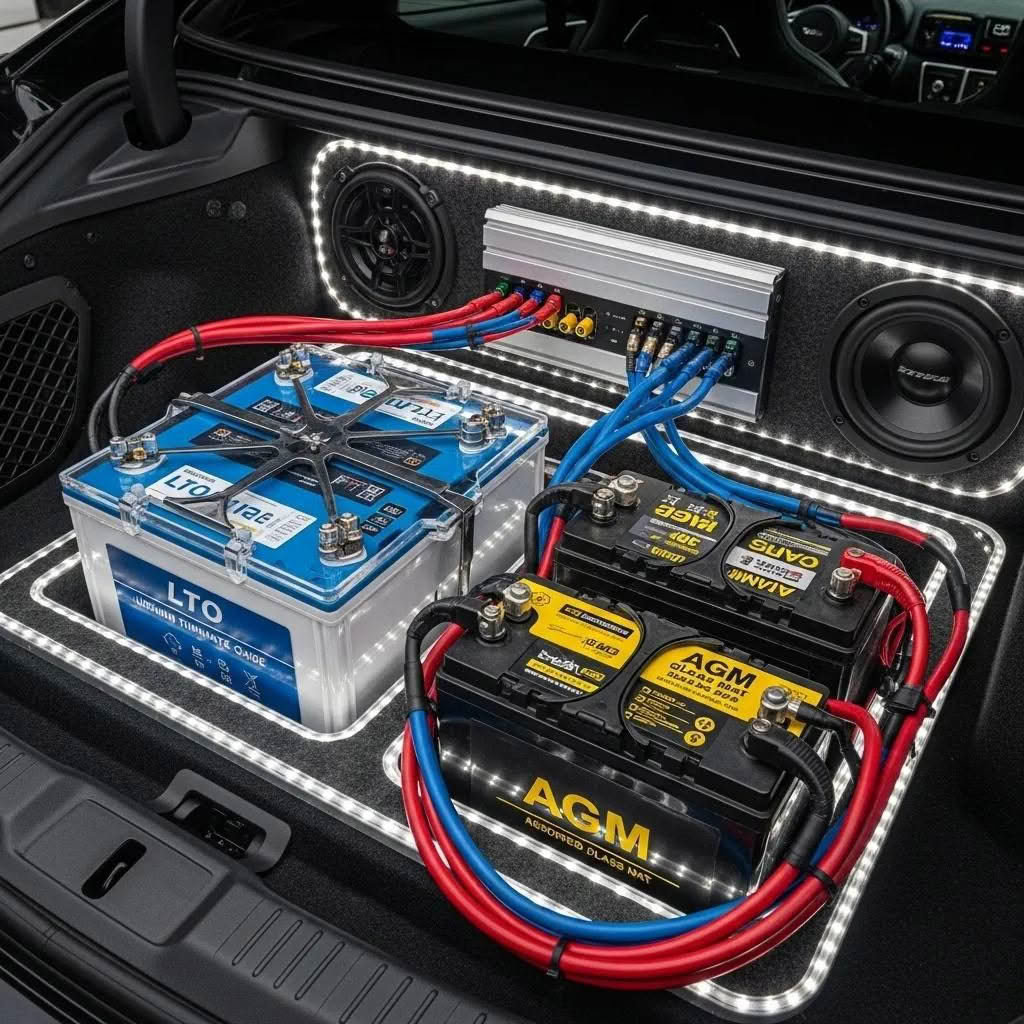
No products in the cart.
No products in the cart.
Picking the perfect subwoofer for car audio is like choosing the right coffee size—go too small and you’re left wanting more, go too large and you might not fit it in your cup holder (or boot). Whether you’re a bass-head chasing SPL trophies or someone who just wants their daily commute to feel like a live concert, understanding subwoofer sizes is crucial. In this guide, we’ll break down 10, 12, 15 and 18 inch car subwoofers so you can make an informed decision without accidentally turning your sedan into a rattling tin can.
| Point | Details |
| Size impacts sound character | Smaller subs deliver tight, punchy bass; larger subs produce deeper, louder low-end frequencies. |
| 12 inch is most versatile | The 12 inch car subwoofer balances output, accuracy and space efficiency for daily drivers. |
| 15 and 18 inch for competition | These sizes excel in SPL contests and require significant power and enclosure volume to perform. |
| Power and enclosure matter | Even the best subwoofer won’t shine without proper amplification and a well-designed box. |
| Consider your vehicle space | Measure your boot or cabin before committing to a large subwoofer to avoid installation headaches. |
When it comes to car audio subwoofers, size isn’t just about bragging rights—it fundamentally changes how your system sounds and performs. Larger subwoofers move more air, which translates to deeper bass and higher sound pressure levels (SPL). Smaller subs, on the other hand, can be quicker and more responsive, delivering tight, accurate bass that suits genres like rock or electronic music.
Your choice should reflect your listening preferences, vehicle size, and whether you’re aiming for daily enjoyment or competition-level output. A best car audio subwoofer nz setup balances all these factors. And remember: even the mightiest subwoofer is only as good as the power feeding it and the enclosure housing it. Think of the subwoofer as the engine and the box as the chassis—both need to work in harmony.
The physics are simple: a larger cone area displaces more air. A 10 inch subwoofer has roughly 78.5 square inches of cone area, while an 18 inch sub boasts around 254 square inches. That’s more than three times the surface pushing air molecules around. For bass enthusiasts chasing that chest-thumping thump, bigger is often better—but only if your amplifier and electrical system can keep up. Many enthusiasts turn to lithium car audio batteries to handle the power demands without dimming their headlights every time the bass drops.
The 10 inch car subwoofer is the nimble athlete of the bass world. It fits neatly in tight spaces, requires less power, and delivers fast, precise bass response. If your music diet includes rock, jazz, or hip-hop with quick kick drums, a 10 inch sub will keep up without sounding muddy. It’s also ideal for smaller vehicles like hatchbacks or coupes where boot space is at a premium.
However, don’t expect earth-shattering low-end extension. A 10 inch sub typically bottoms out around 35–40 Hz, which is respectable but not window-rattling. For daily drivers who want clean bass without sacrificing cargo room, this size is a solid choice. Pairing it with a quality subwoofer battery ensures your electrical system stays stable even during demanding passages.
Ah, the 12 inch subwoofer—not too big, not too small, just right. This is the most popular size in car audio subwoofers for good reason. It strikes a near-perfect balance between deep bass extension, power handling, and space efficiency. A well-designed 12 inch sub can hit frequencies down to 25–30 Hz, covering the fundamental notes of most music genres and movie soundtracks.
Twelve inch subs are also versatile enough to work in sealed, ported, or bandpass enclosures, giving you flexibility to tune your system for sound quality or maximum output. According to Wikipedia, the 12 inch format has dominated car audio since the 1980s and remains the go-to for both casual listeners and serious competitors. Whether you’re cruising to work or showing off at a local car meet, a 12 inch subwoofer won’t disappoint.
Most 12 inch subwoofers handle between 300 and 1000 watts RMS, making them compatible with a wide range of amplifiers. Enclosure volume typically ranges from 1.0 to 1.75 cubic feet for sealed boxes, and 1.5 to 2.5 cubic feet for ported designs. If you’re handy with tools, check out a ported subwoofer box design guide to maximize your 12 inch sub’s potential. Pro tip: measure twice, cut once—unless you enjoy explaining to your partner why there’s sawdust all over the garage.
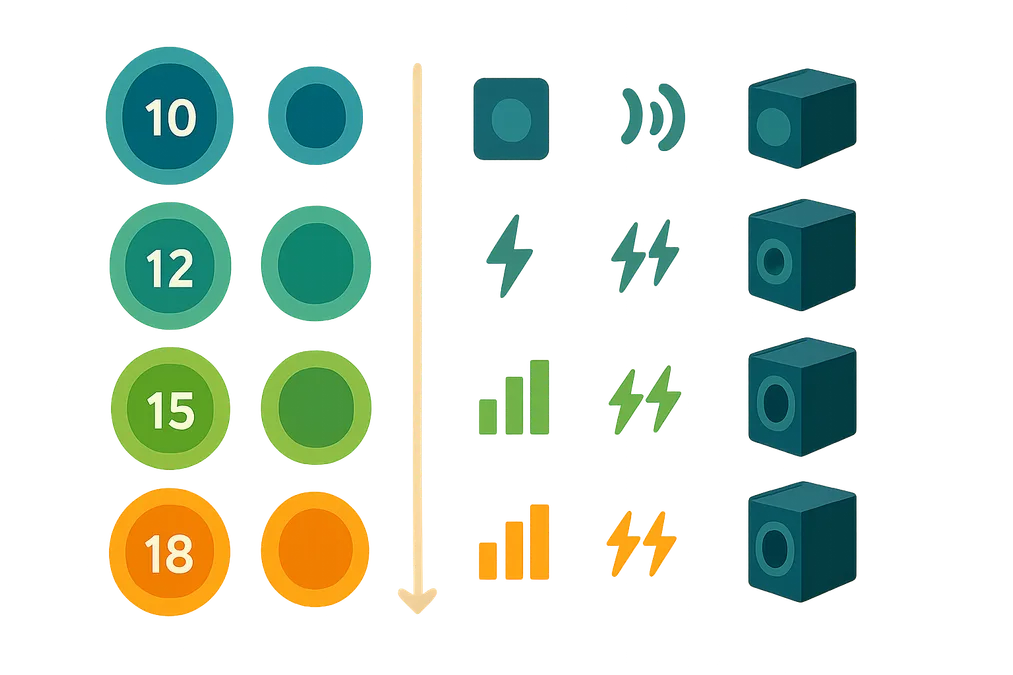
When 12 inches just won’t cut it, the 15 inch subwoofer steps up to deliver thunderous low-end that you feel in your bones. This size is popular among bass enthusiasts who crave output and depth, particularly in larger vehicles like SUVs, vans, and trucks where enclosure volume isn’t a constraint. A quality 15 inch sub can extend down to 20 Hz or lower, capturing those subsonic frequencies that make action movies and EDM tracks truly immersive.
Of course, with great bass comes great responsibility—and power requirements. Fifteen inch subs often demand 500 to 1500 watts RMS or more, which means you’ll need a robust amplifier and a healthy electrical system. Many enthusiasts upgrade to lithium batteries or add a secondary battery to prevent voltage sag during heavy playback. If you’re serious about bass, investing in proper power infrastructure is non-negotiable.
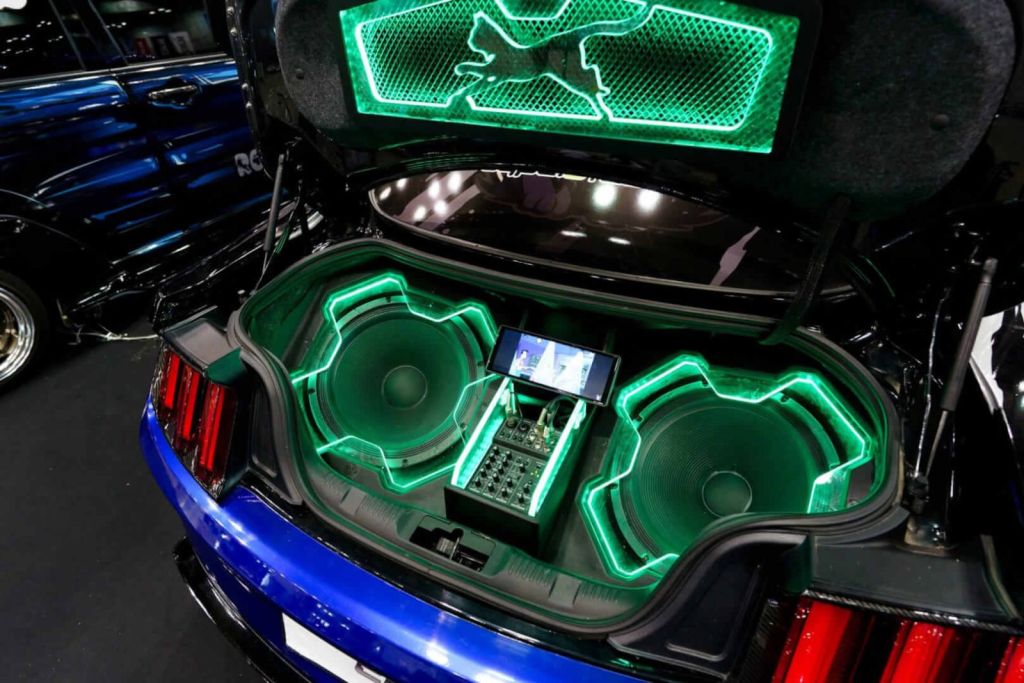
Fifteen inch subwoofers are a staple in SPL (sound pressure level) competitions, where the goal is to achieve the loudest possible output. Competitors often run multiple 15 inch subs in custom enclosures tuned to specific frequencies, sometimes exceeding 160 dB—louder than a jet engine at takeoff. If you’re eyeing the competition scene, start by mastering the fundamentals with a car audio installation guide to ensure your system is wired safely and efficiently.
The 18 inch subwoofer is the heavyweight champion of car audio. It’s not for the faint of heart or those with modest vehicle interiors. This behemoth is designed for one purpose: maximum output. With cone areas exceeding 250 square inches, an 18 inch sub moves a staggering amount of air, producing bass so deep and powerful it can literally shake the panels off your car if not properly installed.
These monsters typically require 1000 watts RMS or more—some competition models handle upwards of 5000 watts. They demand large enclosures (3 to 6 cubic feet or more) and substantial electrical upgrades. Running an 18 inch sub on a stock alternator is like trying to fill a swimming pool with a garden hose—technically possible, but painfully slow and inefficient. For more on this topic, retailers like Amazon stock a variety of high-output alternators and power accessories for serious builds.
Let’s be honest: an 18 inch subwoofer is overkill for daily driving unless your idea of a morning commute involves traffic jams that require seismic bass to endure. These subs shine in competition environments where every decibel counts. If you do decide to daily an 18 inch setup, be prepared to sacrifice most of your cargo space and possibly your rear seats. On the upside, you’ll never lose your car in a parking lot—just follow the bass rumble.
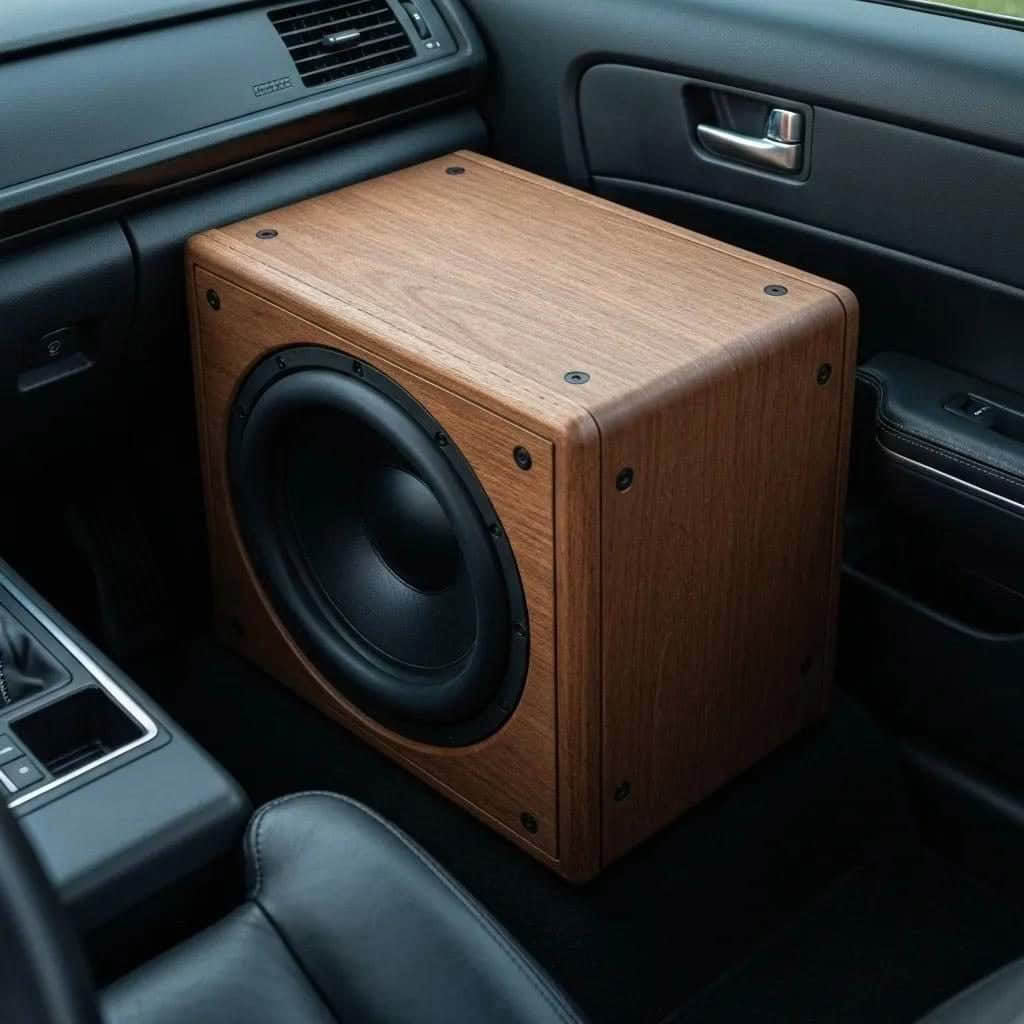
Choosing the right subwoofer for car audio is only half the battle. The enclosure type and amplifier power make or break your system’s performance. A sealed box delivers tight, accurate bass with minimal distortion, ideal for sound quality purists. A ported (or vented) box trades some accuracy for increased output and deeper extension, perfect for those who want more thump per watt. Bandpass enclosures are specialized designs that maximize output in a narrow frequency range, often used in competition.
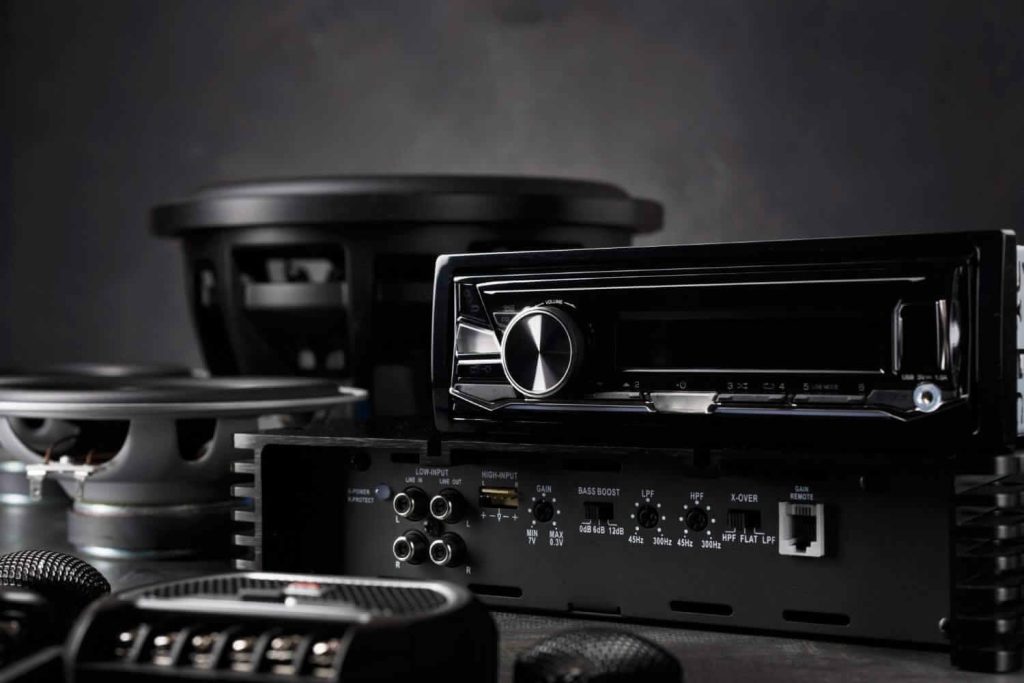
Amplifier power should match or slightly exceed your subwoofer’s RMS rating. Underpowering a sub forces you to crank the gain, introducing distortion and clipping that can damage the voice coil. Overpowering is less common but can cook a subwoofer if you’re careless. Always use a multimeter to set your amplifier gains properly, and consider a subsonic filter to protect your sub from frequencies below its mechanical limits.
High-power subwoofers place significant demands on your vehicle’s electrical system. Symptoms of an inadequate setup include dimming headlights, voltage drop during bass hits, and amplifiers entering protection mode. Upgrading to a lithium battery bank is one of the most effective solutions, as lithium chemistry delivers higher current and faster voltage recovery than traditional lead-acid batteries. Don’t forget about proper wiring: use appropriately gauged power and ground cables, and keep runs as short as possible to minimize resistance.
A 12 inch subwoofer is generally the best choice for daily driving, offering a balanced mix of deep bass, power efficiency, and space requirements. It fits most vehicles without overwhelming the cabin or requiring extreme electrical upgrades, making it ideal for enjoying music on your commute.
Technically yes, but it’s impractical. Larger subwoofers need substantial enclosure volume and power, which can consume most of your boot space and strain your electrical system. If you drive a compact car, stick with a 10 or 12 inch subwoofer for better results and fewer headaches.
It depends on the subwoofer’s RMS rating and your output goals. A 10 inch sub might be happy with 300–500 watts, while a competition 18 inch sub could demand 2000 watts or more. Always match your amplifier to the sub’s RMS rating, not peak power, to avoid distortion and damage.
For modest systems (500 watts or less), your stock alternator is usually sufficient. Beyond that, especially with multiple subwoofers or high-SPL setups, an upgraded alternator and additional battery capacity are strongly recommended to maintain stable voltage and prevent dimming lights or amplifier shutdowns.
Sealed boxes are airtight and produce tight, accurate bass with a gradual roll-off, ideal for sound quality. Ported boxes include a tuned vent that boosts output and extends low-frequency response, making them louder and deeper but slightly less precise. Your choice depends on whether you prioritize accuracy or maximum thump.