The Best Car Battery for Subwoofers: Complete Technical Buying Guide (2025)
What Is the Best Car Battery for Subwoofers?
The best car battery for a subwoofer system is one that maintains stable voltage under sustained load, provides sufficient amp-hour (Ah) capacity for your runtime goals, and recovers quickly between bass transients without overstressing the vehicle’s charging system.
For systems under 1000W RMS, a quality AGM battery may be adequate.
For 1000W+ systems, lithium-based solutions provide significantly better voltage stability and long-term durability.
Importantly, Lithium Titanate (LTO) is not limited to extreme SPL builds. When properly sized, LTO performs exceptionally well in daily-driven vehicles because it:
-
Accepts charge efficiently within normal alternator ranges
-
Recovers extremely quickly between bass hits
-
Delivers very low internal resistance
-
Offers ultra-long cycle life (often 20,000+ cycles depending on usage)
For drivers who use their system frequently, LTO often reduces long-term replacement costs compared to AGM.
Explore purpose-built car audio lithium battery banks designed specifically for real-world subwoofer applications.
Why Battery Selection Matters in Car Audio
Subwoofers create sustained electrical demand during low-frequency playback. If the battery cannot maintain voltage:
-
Headlights dim
-
Amplifiers clip earlier
-
Electrical components heat unnecessarily
-
Alternator strain increases
-
System efficiency drops
Voltage stability directly influences amplifier performance and sound clarity. Lower internal resistance means faster recovery and reduced sag.
Car Battery Types for Subwoofer Systems
1. Starting (SLI) Batteries
Designed for short engine cranking bursts.
Not built for sustained discharge.
Not recommended for supporting subwoofer systems.
2. Deep-Cycle Lead Acid
Improved discharge tolerance over SLI.
Heavy and slower voltage recovery.
Limited cycle life when deeply discharged.
Best for very conservative, budget builds only.
3. AGM (Absorbed Glass Mat)
-
Maintenance-free
-
Moderate discharge capability
-
Heavier than lithium
-
Shorter cycle life under heavy cycling
Suitable for 300–1000W RMS systems with moderate use.
4. LiFePO4 (Lithium Iron Phosphate)
-
High usable capacity
-
Good voltage stability
-
Lightweight
-
2000+ cycle life typical
-
Requires appropriate charging control
Well suited for 1000W+ daily-use systems.
5. LTO (Lithium Titanate Oxide)
-
Extremely low internal resistance
-
Ultra-fast charge acceptance
-
Exceptional voltage stability
-
20,000+ cycle life potential
-
Highly tolerant of repeated cycling
LTO is ideal for:
-
Daily-driven vehicles
-
Demo vehicles
-
High-output builds
-
Systems that demand long-term reliability
To understand how different SCiB lithium cells behave under load, review:
👉 SCiB lithium cell differences explained
Chemistry Comparison Table
| Chemistry | Internal Resistance | Cycle Life | Weight | Best RMS Range | Daily Driver Suitability |
|---|---|---|---|---|---|
| AGM | Moderate | 300–600 cycles typical | Heavy | 300–1000W | Moderate |
| LiFePO4 | Low | 2000+ cycles | Light | 1000W+ | High |
| LTO | Extremely Low | 20,000+ cycles | Moderate | 1000W+ & SPL | Excellent |
How to Calculate Required Amp-Hours
Use this formula:
Ah = (RMS Wattage ÷ System Voltage) × Hours of Use
Add a 20–30% safety margin.
Worked Examples
Scenario 1: 500W RMS for 30 minutes
500 ÷ 12.6 ≈ 39.7A
39.7 × 0.5 ≈ 20Ah
Recommended: 30–40Ah AGM or lithium
Scenario 2: 1500W RMS for 1 hour
1500 ÷ 12.6 ≈ 119A
119 × 1 ≈ 119Ah
Recommended: 150Ah lithium bank
Scenario 3: 3000W RMS (short bursts)
High instantaneous draw requires:
-
Multiple batteries in parallel
-
High discharge capability
-
Very low internal resistance
LTO or high-discharge lithium recommended.
If reviewing amplifier electrical efficiency, see:
👉 Monoblock vs 4 channel amplifier differences
Fitment & Physical Considerations
Before purchase:
-
Measure tray dimensions
-
Confirm terminal orientation
-
Plan cable routing
-
Ensure secure mounting
-
Confirm alternator compatibility
Higher Ah typically increases size and weight. Lithium solutions provide higher usable capacity per kilogram.
Installation Safety Checklist
-
Main fuse within 100mm of positive terminal
-
Correct cable gauge sized for sustained current
-
Secure mounting brackets or battery box
-
Proper grounding
-
Confirm polarity before energising system
Electrical losses are often wiring-related before battery-related.
Maintenance Guidelines by Chemistry
AGM / Lead Acid
-
Avoid deep discharge
-
Recharge promptly
-
Maintain above 50% state-of-charge when possible
Lithium (LiFePO4 / LTO)
-
Use correct charger profile
-
Avoid prolonged over-discharge
-
Store partially charged if unused
-
Monitor voltage periodically
Consistent voltage monitoring helps detect internal resistance rise early.
2025 Trends in Car Audio Battery Technology
-
Increased adoption of LTO battery banks
-
Higher C-rate lithium cells
-
Modular lithium configurations
-
Improved voltage monitoring systems
-
Greater focus on cycle life over upfront cost
LTO continues to gain traction in both daily drivers and high-output systems due to long service life and voltage consistency.
For dedicated solutions, see:
👉 Car amp battery solutions
Troubleshooting Voltage Sag
Common Symptoms
-
Headlights dim
-
Voltage drops under bass
-
Amplifier protection triggers
-
Hard starting after demo sessions
Diagnostic Sequence
-
Measure static voltage (engine off)
-
Measure voltage under load
-
Inspect grounds and fuse connections
-
Test alternator output
Persistent sag after wiring checks usually indicates insufficient battery capacity.
FAQ
What is the best battery for subwoofers?
For systems under 1000W RMS, AGM may suffice. For 1000W+, lithium solutions provide superior voltage stability and longevity.
Is LTO only for SPL builds?
No. LTO performs exceptionally well in daily-driven systems due to fast recovery and extremely long cycle life.
How many amp-hours do I need for 2000W RMS?
2000 ÷ 12.6 ≈ 159A
With margin → approximately 180–200Ah recommended for sustained use.
Why does voltage drop when bass hits?
Common causes:
-
Undersized battery
-
High internal resistance
-
Poor grounding
-
Insufficient alternator output
Is lithium safer than lead-acid?
When properly installed and charged correctly, lithium chemistries such as LiFePO4 and LTO offer strong thermal stability compared to traditional flooded lead-acid.
Conclusion
The best car battery for subwoofers is not defined by brand — it is defined by correct capacity, discharge capability, and voltage stability matched to your RMS output and usage pattern.
AGM works for entry-level builds.
LiFePO4 suits mid-to-high power systems.
LTO delivers exceptional durability, recovery speed, and voltage consistency for both daily drivers and high-output builds.
Sizing correctly from the beginning prevents voltage sag, protects amplifiers, and reduces long-term replacement costs.
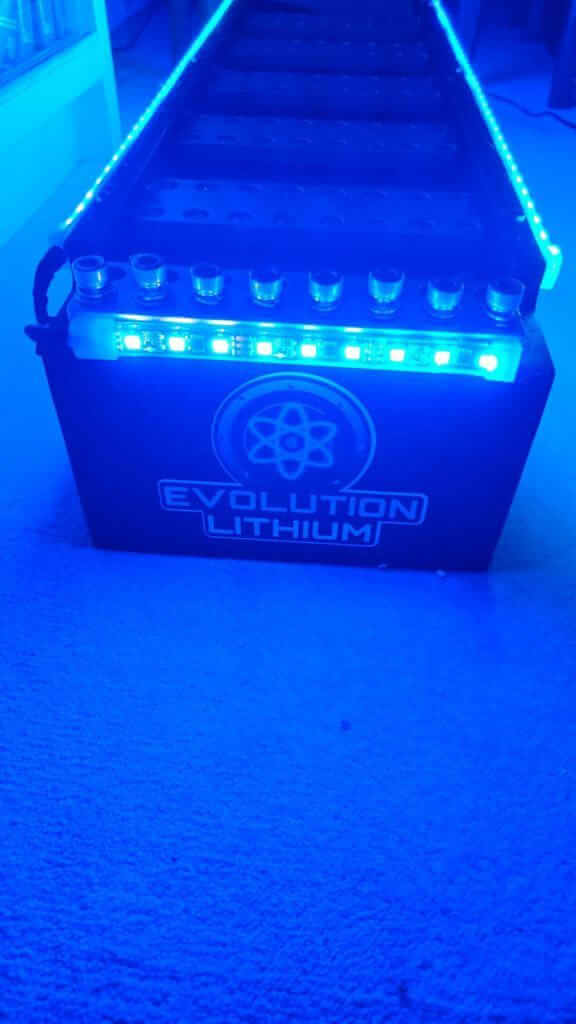
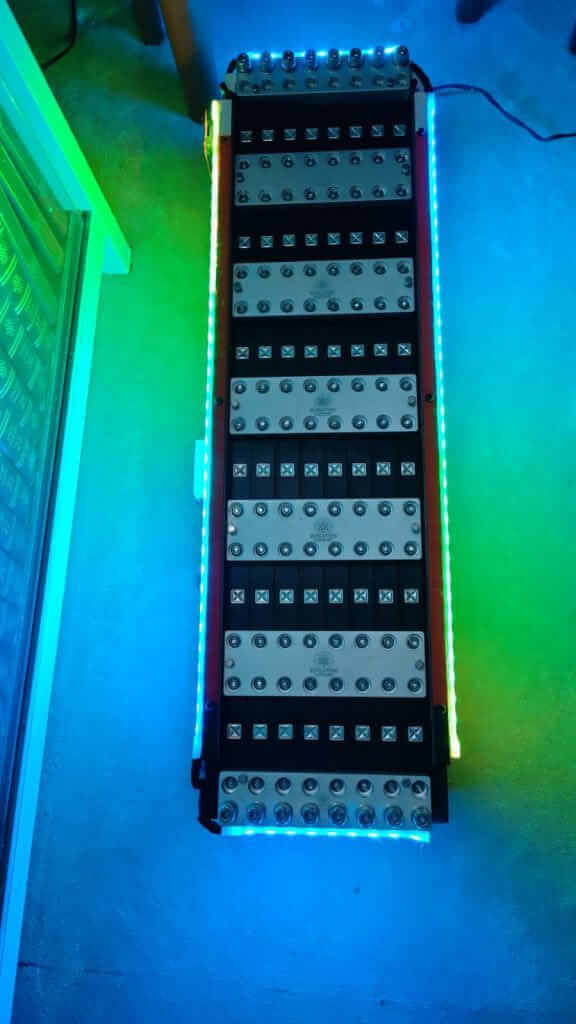
If you want a purpose-built solution engineered specifically for car audio applications, explore the Evolution Lithium LTO battery range designed for stable, repeatable performance.