
Frequently Asked Questions About LTO Batteries
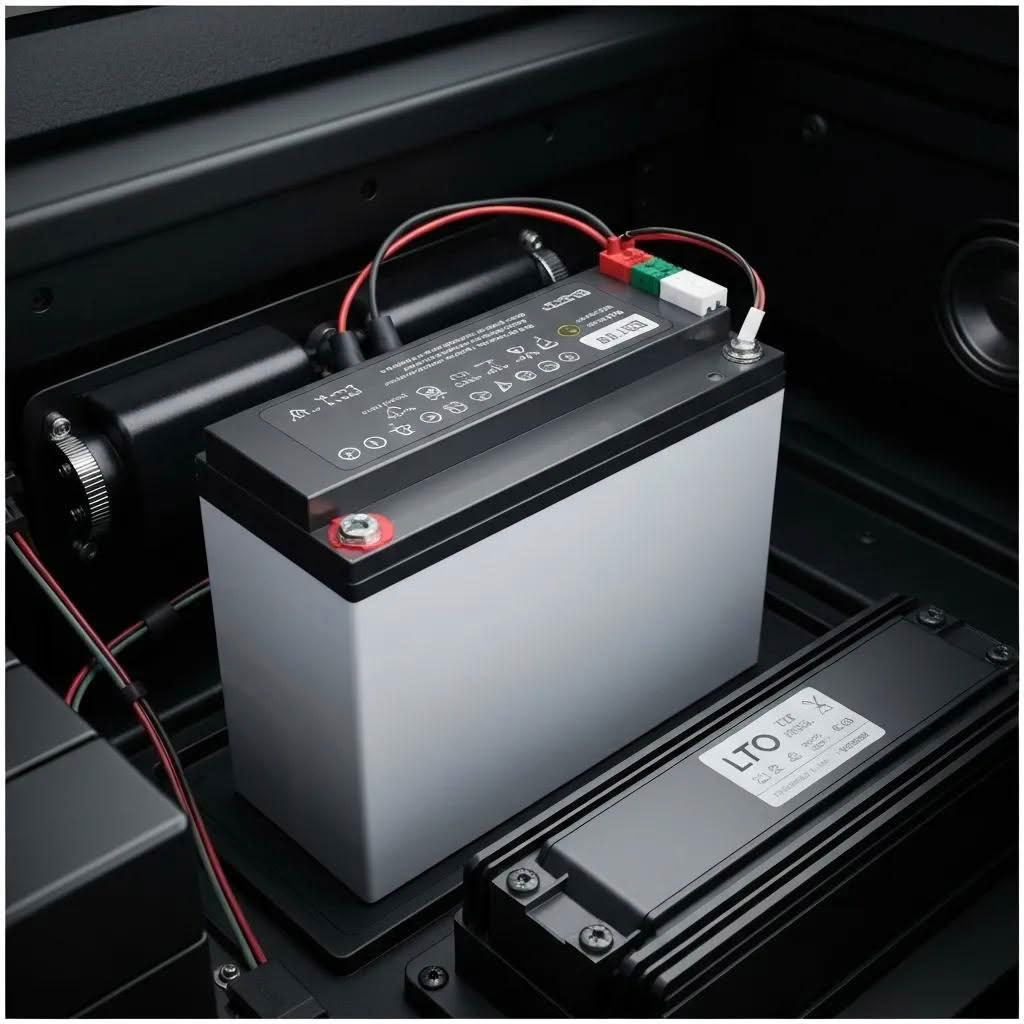
Frequently Asked Questions
What are the environmental impacts of using LTO batteries in car audio systems?
LTO batteries are generally kinder to the environment than traditional lead‑acid units. Their long cycle life means fewer replacements and less waste heading to landfill, and they don’t contain the same toxic heavy metals found in some older chemistries. That said, the environmental benefit depends on responsible end‑of‑life recycling — proper disposal and recycling maximise the lifetime advantage of LTOs.
How do LTO batteries perform in extreme temperatures?
LTO chemistry is thermally robust and keeps working across a wide temperature range with minimal performance loss. That makes LTO a good fit for car audio systems exposed to hot or cold climates. As with any battery, it’s sensible to monitor temperature under extreme conditions to protect long‑term performance.
What is the cost comparison between LTO, AGM, and LiFePO4 batteries?
LTO usually carries a higher upfront price than AGM or LiFePO4, but its extended service life and lower maintenance can reduce total cost of ownership over time. AGM is cheapest to buy but will need replacing more often. LiFePO4 sits between those two — better energy density and lower cost per kWh than LTO, with respectable cycle life. Consider both initial spend and long‑term running costs when choosing a chemistry.
Can LTO batteries be used for applications other than car audio?
Absolutely. LTO’s fast charge/discharge ability and long cycle life make it suitable for electric vehicles, renewable energy storage, backup power and a range of industrial uses where high power and reliability matter. Its characteristics make LTO a strong option wherever stable, high‑current delivery is needed.
What safety features should be considered when using LTO batteries?
Key safety measures include a capable Battery Management System (BMS) to monitor and balance cell voltages, correctly rated fuses and low‑resistance cabling to prevent overheating, and routine inspections of connections and performance logs. These precautions reduce risk in high‑current installations and keep the system operating safely.
How do LTO batteries compare in weight to other battery types?
LTO cells are typically heavier than AGM in comparable configurations, but can be lighter than some LiFePO4 designs depending on capacity and packaging. Many installers accept the weight trade‑off because LTO delivers superior cycle life and discharge performance; when weight is a critical factor, factor it into your system layout and mounting plans.
What are the charging time differences between LTO and other battery types?
LTO charges much faster than AGM or typical LiFePO4 in comparable setups. Where an AGM might take several hours, an LTO bank can often be recovered in 30–60 minutes depending on charger capability and system wiring. That rapid recovery is a major advantage for high‑demand car audio setups that need short turnaround between heavy use.
What Are LTO Batteries and How Do They Work in Car Audio Systems?
LTO (lithium titanate oxide) cells use a titanate anode instead of graphite, giving them very low internal resistance and extremely fast charge/discharge behaviour compared with many lithium chemistries. The result is a flat discharge profile with minimal voltage sag under sudden, high current demand — exactly what car audio amplifiers need during heavy bass hits. Rapid lithium‑ion intercalation at the titanate anode supports high C‑rate discharge and quick recovery after peaks, which helps keep amplifier rails steady, increases transient headroom and reduces thermal stress across the system. The H3 sections that follow unpack the chemistry fundamentals and explain how LTO improves voltage stability for audio applications.
What Is Lithium Titanate Oxide Battery Technology?
Lithium Titanate Oxide replaces the usual graphite anode with a titanate material, increasing surface area and dropping internal resistance significantly. That structure gives LTO exceptional cycle life — often an order of magnitude more than lead‑acid — along with fast charge acceptance and a wide operating temperature window. For car audio, the important metrics are low internal resistance (better transient current delivery), long cycle life (fewer replacements) and a stable voltage under load (less amplifier clipping). Knowing these cell‑level attributes helps when sizing banks, choosing a BMS and comparing chemistries for your install.
Independent work shows LTO offers notably better thermal stability and charging efficiency under high current than standard lithium‑ion cells.
LTO Batteries: Superior Thermal Stability and Efficiency for High-Current Charging
This study examines lithium‑titanate oxide (LTO) batteries as an alternative chemistry. Using MATLAB simulations the paper compares heat generation, temperature rise and power efficiency under high‑current charging. Results show LTO producing about 100 W of heat with a 4 °C temperature rise, versus 480 W and 19.2 °C for typical lithium‑ion cells.
Innovations in Lithium-Titanium Oxide (LTO) Battery Technology Coupled with Advanced Battery Management System Strategies for Electric Vehicles, 2024
How Do LTO Batteries Prevent Voltage Sag in Car Audio?
Voltage sag happens when a battery can’t deliver the instantaneous current an amplifier asks for during heavy transients, causing the system voltage to dip and the amp to clip. LTO’s low internal resistance and high C‑rate capability let it supply large current bursts with minimal voltage drop, so the system voltage stays closer to the vehicle rail during repeated hits. Data logging under load shows a flatter voltage trace from LTO banks compared with lead‑acid, so installers can measure the benefit directly before finalising a build.
What Are the Key Benefits of Using LTO Batteries for Car Audio?
LTO gives a package of benefits well suited to high‑draw car audio: reliable voltage during transients, rapid recharge from alternator or shore power, and a long service life that lowers lifetime cost for heavy users. Safety and installation flexibility improve too — LTO is less prone to thermal runaway and copes better with wide temperature swings than many alternatives. For designers and enthusiasts, that means tighter bass, fewer service interventions and the option to place compact banks closer to the audio load. The next sections link these technical advantages to audible outcomes and compare LTO’s durability and safety with AGM and LiFePO4.
LTO improves power stability and sound in measurable ways:
- Reduced Voltage Sag: Stable rail voltage preserves amplifier headroom during heavy bass.
- Rapid Recovery: Fast charge/discharge lets the bank handle successive transients without long voltage depression.
- Long Lifecycle: High cycle life lowers replacement frequency and downtime.
These core advantages make LTO attractive for performance and reliability focused installs; the H3 sections below dive into audible impacts and safety comparisons.
How Do LTO Batteries Improve Sound Quality and Power Stability?
A steady supply voltage keeps amplifiers operating linearly and improves transient reproduction. When the battery holds voltage through peaks, the amp clips less and reproduces bass with better attack and definition. LTO’s quick current delivery reduces dynamic compression and keeps SPL consistent during bursts. Installers can validate improvements by logging amp supply voltage during test tones or music and comparing crest factor performance between chemistries — objective data that matches what listeners hear: tighter bass, cleaner transients and steadier gain over long sessions.
Why Are LTO Batteries More Durable and Safer Than AGM or LiFePO4?
LTO’s chemistry and construction reduce heat‑producing reactions and tolerate deep cycling, giving it superior thermal stability and charge acceptance compared with AGM and many lithium types. That translates to far higher cycle counts than AGM and lower susceptibility to thermal runaway than some other lithium chemistries. For high‑current automotive environments, those traits mean fewer replacements and a lower safety risk — which is why installers choose LTO when reliability and operator safety are priorities.
If you’re comparing real products, Evolution Lithium supplies NZ‑built LTO SCiB banks (for example 3AH, 10AH and 20AH) and matching accessories that turn these chemistry benefits into installable solutions. Local builds and support make it easier to match banks to specific audio systems.
How Do LTO Batteries Compare to AGM and LiFePO4 Batteries for Car Audio?
To compare chemistries look at cycle life, discharge capability, safety, weight and cost‑per‑cycle. LTO leads on cycle life and discharge rate and brings distinct safety benefits; LiFePO4 offers better energy density and lower cost per unit energy than LTO while still providing good cycle life; AGM is a low upfront cost lead‑acid option but with limited cycles. The table below summarises these trade‑offs so you can match chemistry to priorities like SPL competition, daily reliability or budget builds. Follow‑up notes explain which chemistry suits different use cases.
In short: LTO is best for repeated, high‑current events and long life; LiFePO4 balances energy density and cost; AGM is economical but short‑lived. The following section maps these traits to common car audio priorities to help you choose.
What Are the Differences Between LTO, AGM, and LiFePO4 Batteries?
Side‑by‑side: LTO gives the highest discharge rate and cycle life, LiFePO4 provides solid cycle life with better energy density, and AGM prioritises low upfront cost and lead‑acid charging compatibility. LTO’s internal resistance is lowest — the main reason it limits voltage sag. LiFePO4 is a middle ground for energy per volume; AGM has the highest internal resistance and shows the most sag under short bursts. Choose based on priorities: if repeated peak current and longevity are key, LTO wins; if runtime per dollar matters, LiFePO4 is often the right call.
Which Battery Type Is Best for High-Performance Car Audio Systems?
The right chemistry depends on your goals:
- SPL Competition: LTO — preferred for repeated high‑current transients because it preserves voltage and recovers fast.
- Daily Driver with Occasional Loud Listening: LiFePO4 — a balance of cost, capacity and longevity.
- Budget or OEM Replacement: AGM — a cost‑effective short‑term option, but expect more frequent replacement.
Match chemistry to your priority — peak performance, lifecycle value, or low initial cost — and plan bank size and charging strategy accordingly. For many high‑performance builds, 10AH–20AH LTO banks are a practical balance between space and transient supply.
How Do You Install and Set Up LTO Batteries in a Car Audio System?

Mechanical and electrical best practices for LTO are similar to other battery types, but with extra focus on low‑resistance cabling, correctly rated fusing and a BMS suited to fast charge/discharge profiles. Use the right cable gauge, keep runs short and use low‑resistance terminations so you get the most from LTO’s low internal resistance. The BMS should match the bank’s nominal voltage and expected peak currents. The H3 sections below give concrete wiring, alternator and parts guidance to help match bank sizes to common systems.
Before wiring, gather parts and plan cable routes:
- Basic tools, fusible links and safety gear are essential.
- Choose ANL/CNL or similar fuses sized to expected peak current.
- Use copper lugs and correct crimping to minimise contact resistance.
These prep steps reduce risk and make testing straightforward; the next section covers wiring specifics.
What Are the Best Practices for Wiring and Configuring LTO Battery Banks?
Minimise voltage drop by using the largest practical cable gauge, keeping runs short and placing the main fuse close to the positive terminal. When creating series or parallel banks, match capacities and internal resistance — avoid mixing different sized banks in parallel. Fit appropriately rated ANL/CNL style fuses on the main feed and branch circuits sized to the amplifier’s peak draw. After wiring, commission the system in stages: check open‑circuit voltage, confirm BMS communication and balancing, and run a low‑current functional test before full load. These checks protect the bank and connected audio gear.
Note: Evolution Lithium provides installation support and accessories for LTO SCiB banks, including compatible fuses, copper lugs and guidance for matching 3AH, 10AH and 20AH banks to common amplifiers. Local build and support simplifies installation for NZ customers and helps avoid common mistakes.
Do You Need to Upgrade Your Alternator or Electrical System for LTO Batteries?
An alternator upgrade isn’t always necessary, but you should assess available charging current and regulator behaviour. LTO accepts fast charging and can draw substantial current when recovering after heavy use; if your alternator is already near capacity or the regulator won’t reach the bank’s optimal charge voltage, recharge will be slow. Measure spare alternator current and monitor system voltage under load — if the alternator can’t sustain required charge currents or the regulator can’t be adjusted, consider an alternator upgrade or a dedicated DC‑DC charger. The next section covers charging parameters and maintenance best practice.
What Are the Best Charging and Maintenance Practices for LTO Batteries?
To preserve LTO cycle life and performance, use a charger or alternator regulation strategy that matches LTO’s recommended voltage, include a BMS for cell balancing, and store the bank at a moderate state of charge when idle. LTO tolerates high charge currents, but constant maximum‑rate charging should be weighed against long‑term capacity retention. The H3 sections that follow list charge profiles, a maintenance checklist and a quick reference table comparing chemistries.
This table clarifies operational differences and helps set realistic charger expectations for each chemistry. The following section covers charger selection and fast‑charge considerations for LTO.
How Should You Charge LTO Batteries for Optimal Performance and Lifespan?
Use a charger or regulator that controls voltage and current appropriately and works with or allows the BMS to handle balancing. LTO accepts rapid charging at high C‑rates, which speeds recovery after heavy use, but constant maximum‑rate charging can slightly affect long‑term capacity retention. Choose a charger that supports the bank’s nominal voltage and offers current limiting; integrate the BMS so it can stop charging if cell imbalance or temperature limits are reached. For alternator‑based setups, ensure the regulator provides sufficient voltage and current to recover the bank within your operating window.
Evolution Lithium stocks compatible accessories and can recommend chargers matched to SCiB bank profiles to keep lifespan high while allowing fast recovery for car audio use.
What Maintenance Tips Help Extend the Life of LTO Batteries in Car Audio?
Routine maintenance focuses on BMS log reviews, inspecting terminations for corrosion or looseness, and recording voltage under representative audio loads to spot early imbalance. Quarterly checks should include cable lug and fuse inspection, reviewing cell voltages and balancing activity, and recording open‑circuit and loaded voltages. Manage temperature by avoiding prolonged exposure to extreme heat or cold and providing ventilation when banks are enclosed. These habits prevent unnecessary degradation and keep the bank supplying transient current reliably; the next section covers troubleshooting.
What Common Issues Occur with LTO Batteries and How Can They Be Troubleshot?
Typical issues are unexpected voltage drop under load, BMS faults or communication errors, and problems from mixing chemistries or mismatched bank configurations. A methodical workflow — measure, isolate, substitute — quickly finds the root cause. The H3 sections below provide a step‑by‑step diagnostic for voltage drop and clear guidance on mixing chemistries and safe alternatives.
Begin troubleshooting with basic measurements and isolation to avoid needless replacements:
- Measure open‑circuit voltage and compare to nominal expectations.
- Run a controlled load test while logging voltage at the battery and amplifier terminals.
- Inspect wiring, fuses and terminations for increased resistance or damage.
These checks indicate whether the fault is wiring, BMS or cell‑level; the following section outlines stepwise fixes.
How Do You Address Voltage Drop or Battery Compatibility Problems?
Follow this diagnostic sequence: (1) confirm open‑circuit voltage is at the expected nominal level, (2) perform a load test with a known draw and log voltages at battery and amplifier, (3) inspect cabling and fuses for high‑resistance connections, and (4) review BMS logs for imbalance or fault codes. If the drop appears only at the amplifier end, re‑terminate or upsize the cable; if the battery shows the drop, isolate and test each module or string. Repair or replace faulty lugs, fuses or BMS modules as required and repeat tests until voltage recovery meets expectations. This approach isolates common failures and prioritises safe, cost‑effective fixes.
Research indicates LTO and LiFePO4 are both suitable for automotive SLI roles, though they need additional management hardware.
LTO and LiFePO4 Suitability for SLI Applications in Vehicles
Evaluations across multiple criteria find lithium iron phosphate and lithium titanate oxide chemistries well suited for vehicular SLI applications. These lithium SLI solutions require higher initial cost and additional electronics such as battery and thermal management systems, but deliver long service life.
Rechargeable lithium battery energy storage systems for vehicular applications, T Huria, 2012
Can You Mix LTO Batteries with AGM or Other Battery Types?
Don’t mix LTO with AGM, LiFePO4 or other chemistries on the same charge bus — differing voltage curves, internal resistance and charging needs lead to imbalance, shortened life and potential safety issues. If you must run different chemistries in one vehicle, keep them on isolated banks with dedicated charging circuits or DC‑DC converters. If isolation isn’t practical, pick a single chemistry that best suits the system to avoid mismatched ageing. For complex multi‑bank setups, consult an experienced installer or supplier to design safe isolation and charging strategies.
Evolution Lithium offers product pages, build logs and installation support to help design and source appropriate LTO SCiB banks and accessories. Our local expertise can recommend safe alternatives to mixing chemistries and suggest suitable wiring, BMS and charger combinations for your system.
- Voltage and Performance Logs: Keep a simple log of voltage under load to spot gradual deterioration.
- Isolated Systems: Use dedicated banks and chargers for different chemistries rather than combining them.
- Professional Support: Get expert help for complex multi‑bank or competition setups.
Following these troubleshooting and safety steps protects system uptime and safeguards both audio equipment and battery investment.
Conclusion
LTO batteries deliver clear advantages for car audio: reduced voltage sag, fast recovery and a long service life that cuts replacement costs. Those benefits translate into better sound, greater reliability and a more sustainable choice for serious audio enthusiasts. If you want to see how LTO can lift your system, explore our range of NZ‑built LTO solutions — or get in touch for advice on the right bank for your setup.