DIY Car Audio Projects: Crafting Your Ultimate In-Car Sound System
How Do You Build a DIY Car Audio System That Actually Performs Well?
The most effective way to build a DIY car audio system is to start with a clear plan, choose compatible components, and ensure the electrical system can deliver stable power when the amplifier demands it. A proper system normally includes a head unit, amplifier, speakers, subwoofers, quality wiring, and a battery capable of supplying the current required by the amplifier.
Many DIY builders focus first on speakers or amplifiers, but the reality is that power delivery often determines how well a system performs. During heavy bass hits, amplifiers can demand extremely high current in very short bursts. If the electrical system cannot respond quickly enough, voltage drops, bass output weakens, and amplifiers begin to clip.
This is why many modern high-power builds rely on lithium battery banks designed specifically for car audio systems, which provide fast current delivery and maintain stable voltage under load.
If you’re planning a build, our guide on how to choose the right car audio battery for high-power systems explains how power delivery affects system performance.
Understanding The Core Components Of A DIY Car Audio System
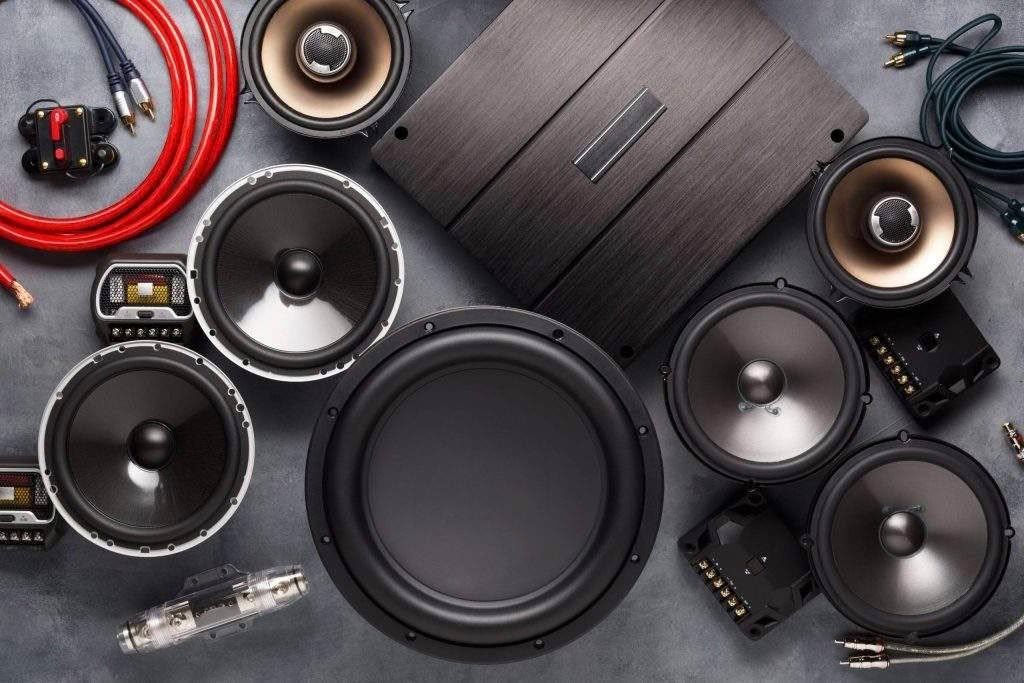
Every DIY car audio system is built around a combination of signal control, power amplification, speaker drivers, and electrical infrastructure. These components work together to convert electrical signals into clear, dynamic sound while maintaining system stability.
The Head Unit: The Command Centre
The head unit controls how audio enters the system. Whether the source is Bluetooth streaming, radio, or digital media, the head unit converts these signals into a format that can be amplified and sent to speakers.
Understanding amplifier types is also important when planning a build. Our guide on monoblock vs 4 channel amplifiers for car audio systems explains how different amplifier configurations affect performance.
Amplifiers: The Power Behind Your System
Amplifiers take the low-level signal from the head unit and increase its voltage and current so speakers can reproduce sound at usable levels. Matching amplifier output with speaker capabilities ensures clean sound without distortion.
Speakers And Subwoofers: Turning Electricity Into Sound
Speakers reproduce midrange and high frequencies, while subwoofers handle low-frequency bass. Subwoofers require correctly designed enclosures and a stable electrical supply to perform properly.
For guidance on electrical planning see choosing the right battery for subwoofer systems.
Why Electrical System Design Matters In Car Audio
Factory vehicle batteries are designed primarily to start the engine. Once the engine is running, the alternator provides most of the electrical power.
Car audio amplifiers behave very differently. During heavy bass transients, amplifiers can draw large bursts of current. If the battery cannot supply this current quickly enough, system voltage drops and amplifier performance suffers.
This is why many high-power systems rely on lithium battery banks designed for car audio power delivery.
Our article on lithium battery banks for car audio systems explains how these systems improve voltage stability.
Why LTO Lithium Batteries Are Increasingly Used In Car Audio
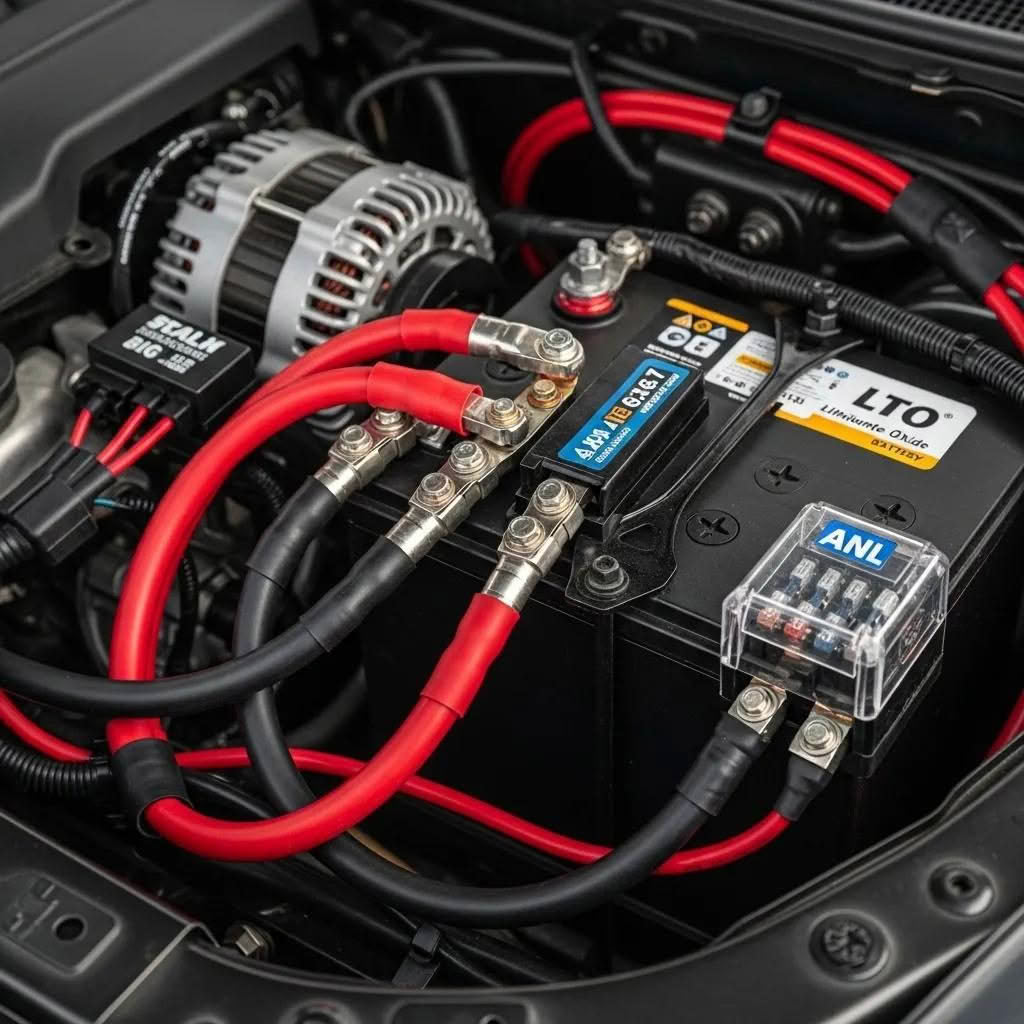
Lithium titanate (LTO) batteries are increasingly popular because they provide extremely fast current response and rapid recharge rates.
Unlike traditional batteries, LTO chemistry allows lithium ions to move rapidly between electrodes. This allows the battery to deliver large bursts of current while maintaining stable voltage.
In practical terms, this means amplifiers receive a more consistent power supply, resulting in stronger bass and improved amplifier performance.
To understand the technology further see how LTO batteries work in car audio systems.
Installing Car Audio Components Correctly
Amplifiers should be mounted securely with adequate airflow around their heat sinks. Power cables should run directly from the battery through a properly rated fuse.
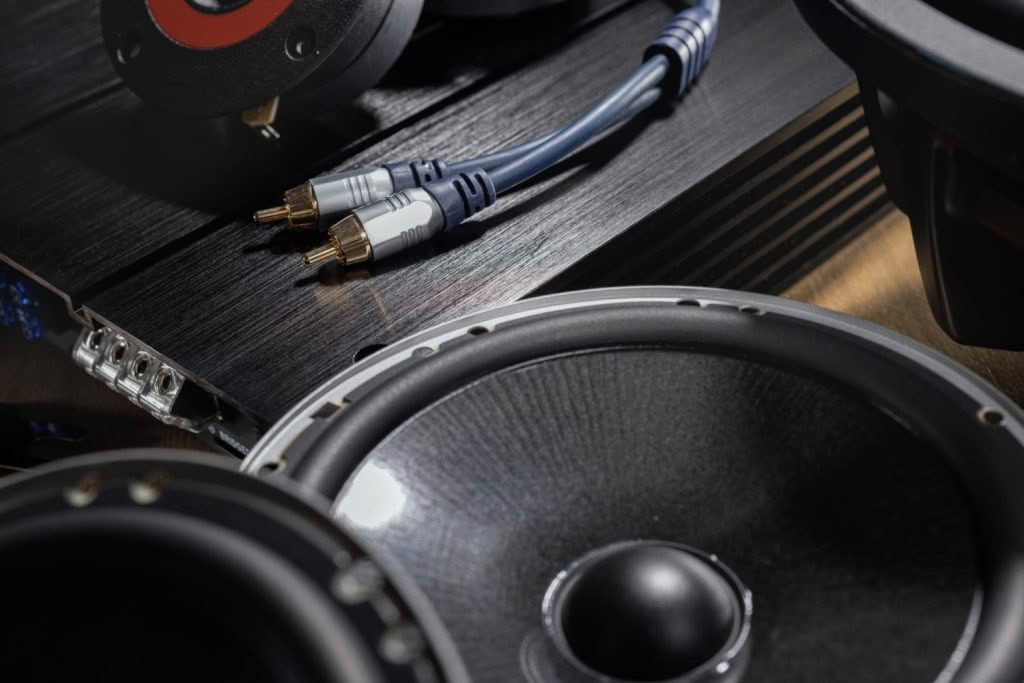
Ground connections must attach to clean chassis metal to maintain electrical stability. Signal cables should be routed away from power cables to prevent interference.
Improving Sound Quality Through System Tuning
Once the system is installed, tuning becomes essential. Equalisation allows the system to compensate for the acoustic environment of the vehicle interior.
Crossovers ensure speakers only reproduce frequencies they are designed for, preventing distortion and improving clarity.
Many enthusiasts also apply sound-deadening materials to doors and panels. This reduces vibration and road noise while improving overall sound clarity.
Advanced Upgrades For High-Performance Systems
As systems become more powerful, upgrades such as high-output alternators and secondary batteries help maintain electrical stability.
Advanced systems may also include digital signal processors that allow precise control over time alignment and equalisation.
For high-power builds see SCiB battery bank configurations for car audio systems.
The DIY Car Audio Scene In New Zealand
New Zealand has a strong community of DIY car audio enthusiasts building impressive systems in everything from daily drivers to dedicated SPL vehicles.
Across many builds, one consistent lesson emerges: stable power delivery is essential for high-performance car audio systems.
Frequently Asked Questions About DIY Car Audio Builds
How Do I Start A DIY Car Audio Project?
Start by defining your goal for the system, whether that is improved sound quality, deeper bass, or SPL competition performance. Planning the electrical system early prevents voltage issues later in the build.
What Components Are Needed For A Complete Car Audio System?
A full system includes a head unit, amplifier, speakers, subwoofers, wiring, and a battery capable of supporting amplifier current demand.
What Is The Best Battery For Car Audio Systems?
For high-power systems, lithium titanate batteries provide excellent voltage stability and rapid recharge capability, making them a popular choice for demanding builds.
Final Thoughts
Building a DIY car audio system requires more than installing powerful speakers. The most successful builds combine carefully matched components with a well-designed electrical system capable of delivering stable power.
By combining proper installation techniques with modern power solutions such as lithium titanate battery banks, enthusiasts can build systems that deliver clean, powerful sound while remaining reliable for daily driving.