 Skip to content


The Ultimate Guide To Car Audio Capacitor, and Super Capacitors.
Ever wondered why your car’s audio dims or electronics flicker during a bass drop? You’re not alone. In 2025, understanding the car battery capacitor is essential for anyone wanting smooth, uninterrupted power in their vehicle.
This guide unpacks everything you need to know—from what a car battery capacitor does, to how it’s installed and maintained for peak performance. Discover the basics, explore key benefits, get step-by-step installation advice, and learn smart troubleshooting.
Ready to boost your system’s reliability and sound quality? Dive in and master the power secrets behind every great ride.
What is a Car Battery Capacitor?
Understanding the car battery capacitor is essential for anyone diving into car audio upgrades or modern vehicle power systems. If you’ve ever wondered why your headlights dim when the bass hits or why your sound system sometimes loses punch, this small but mighty component plays a crucial role.
Definition and Core Purpose
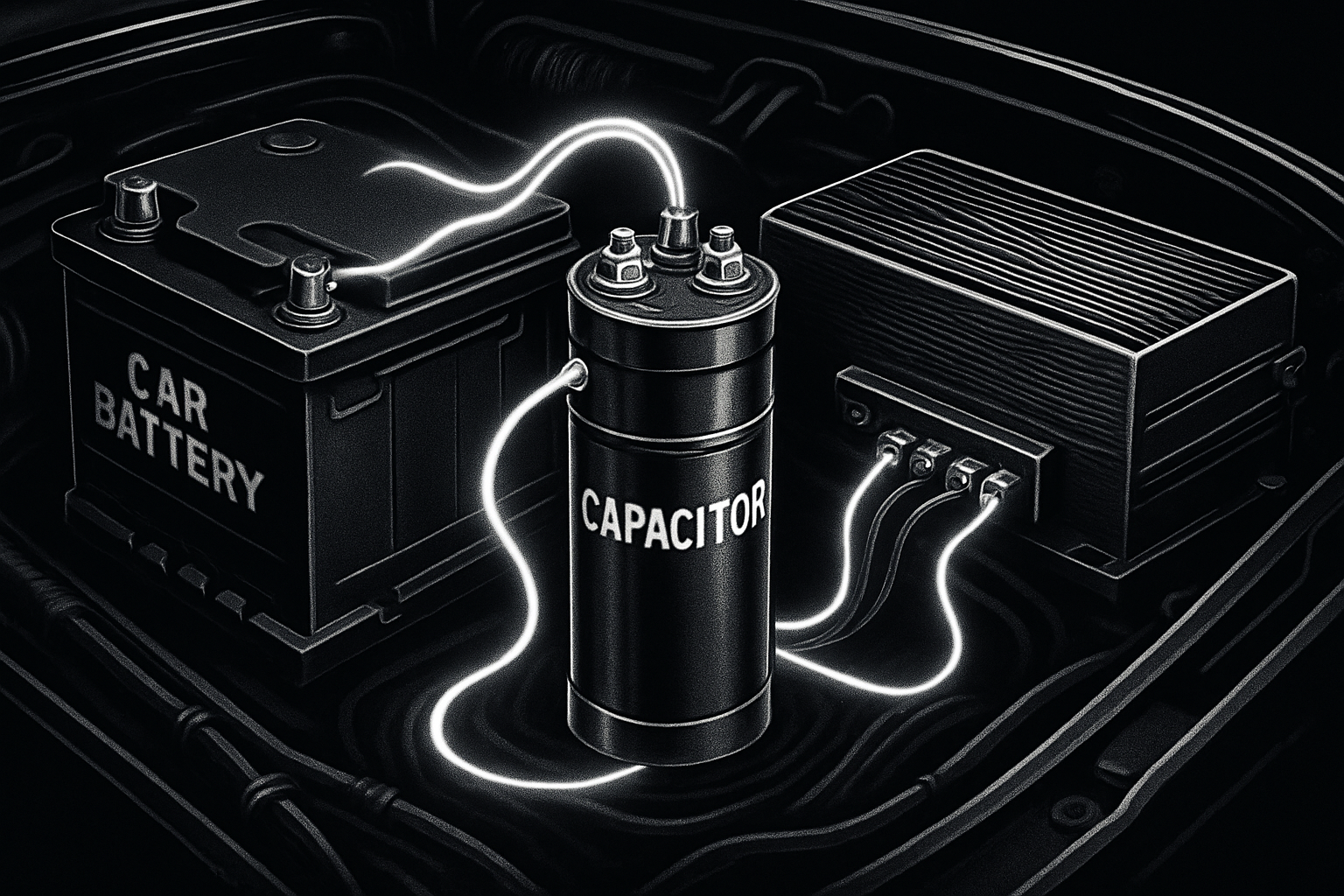
A car battery capacitor is an electrical device designed to store and release energy quickly within a vehicle’s electrical system. Unlike batteries, which store energy chemically and discharge slowly, capacitors hold energy in an electric field and can release it in an instant. This makes them perfect for handling sudden spikes in power demand, such as when a subwoofer kicks in.
Both a car battery and a capacitor are needed because they serve different purposes. The battery provides steady, long-term power to start your car and run electronics. The capacitor steps in when there’s a sudden need for extra power, acting like a buffer that smooths out voltage drops.
There are several types of capacitors used in cars:
- Electrolytic capacitors: Affordable and common for basic audio systems.
- Supercapacitors (ultracapacitors): Capable of much higher energy storage and faster discharge, ideal for advanced setups.
- Hybrid capacitors: Combine features of both for balanced performance.
Capacitors store energy by accumulating electrical charge on plates separated by an insulating material. When needed, they release this charge almost instantly, providing a quick burst of power.
How Capacitors Work in Car Audio and Electrical Systems
In powerful car audio systems, a car battery capacitor helps stabilize voltage during high-demand moments. For example, when a deep bass note hits, amplifiers can draw more power than the battery alone can immediately supply. Without a capacitor, this can cause voltage dips, resulting in dimming headlights or distorted sound.
Think of the car battery capacitor as a power buffer. It sits near your amplifier and stores a reserve of energy. When your system needs a surge, the capacitor discharges rapidly, keeping everything running smoothly. This not only benefits your audio quality but also protects sensitive electronics from power fluctuations.
A real-world analogy: Imagine running a marathon (your battery) but needing to sprint occasionally (your sound system’s peak). The capacitor is like having an energy gel for those sprints. Capacitors can discharge in milliseconds, while batteries take seconds or longer. For a deeper look at how capacitors are used in automotive systems, check out the Applications of Capacitors in Automotive Systems.
Capacitor Ratings and Specifications Explained
Choosing the right car battery capacitor means understanding a few technical terms. The most important is farads, the unit of capacitance. A common rule: use one farad of capacitance for every 1,000 watts RMS your audio system draws.
Voltage rating is another key factor. Select a capacitor with a voltage rating slightly above your car’s electrical system to ensure safety. ESR (Equivalent Series Resistance) measures how efficiently the capacitor can deliver its stored energy.
Here’s a simple table to help match capacitor size to system wattage:
| System Wattage (RMS) | Recommended Capacitance |
|---|---|
| 500–1,000 W | 1 Farad |
| 1,000–2,000 W | 2 Farads |
| 2,000–3,000 W | 3 Farads |
Always check compatibility between your car battery capacitor and your vehicle’s electrical specs. This ensures optimal performance and longevity for your entire power setup.
Key Benefits of Using a Car Battery Capacitor
Adding a car battery capacitor to your vehicle’s electrical setup can transform your driving and listening experience. Whether you’re upgrading your sound system or simply want to protect your car’s electronics, understanding these key benefits will help you make an informed choice.
Voltage Stabilization and Performance Enhancement
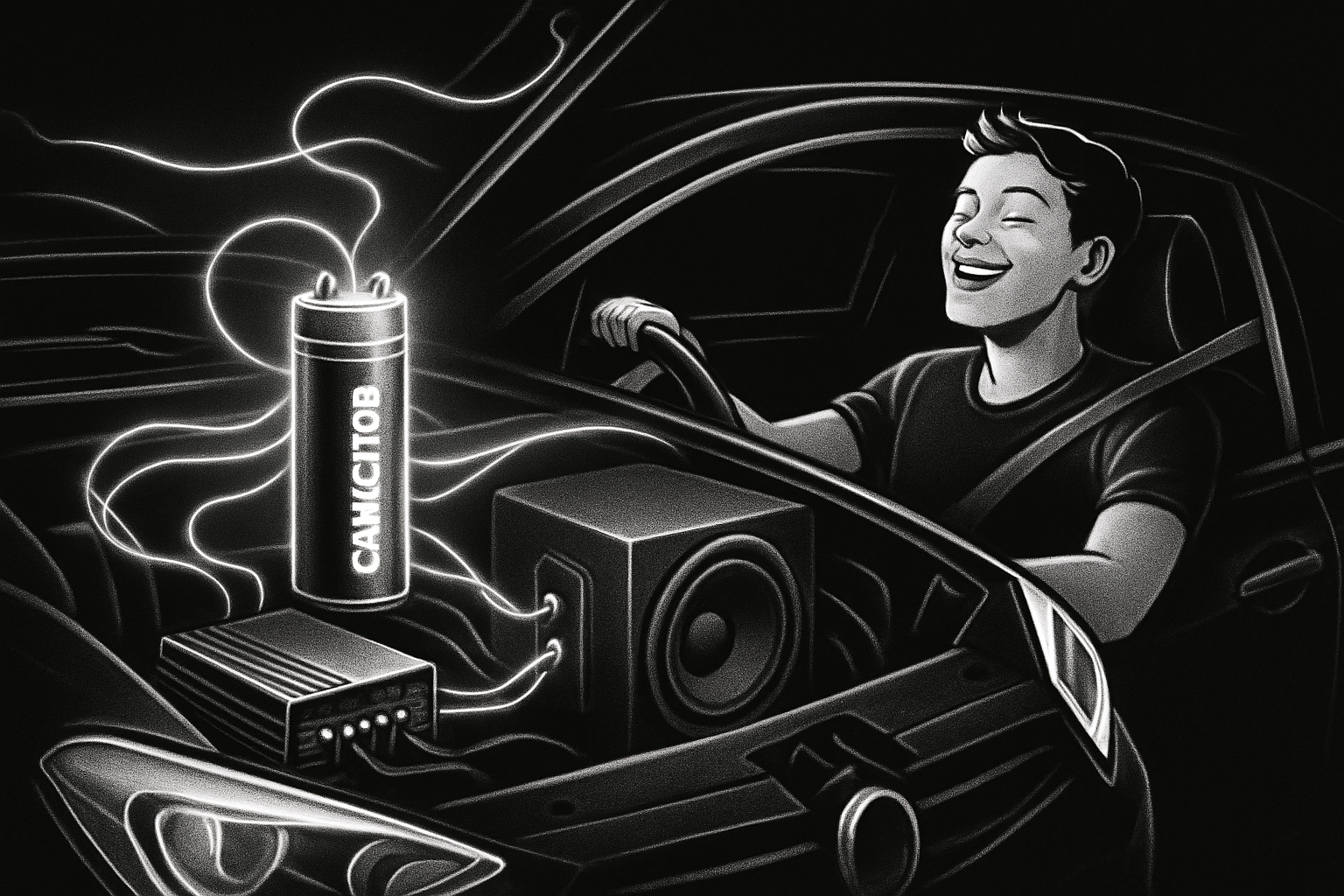
A car battery capacitor acts as a power reservoir, instantly releasing energy during moments of high demand. This prevents sudden voltage drops that can occur when amplifiers or other electronics draw more power than the battery alone can supply.
Have you ever noticed your headlights dimming when your bass hits hard? That’s a classic symptom of voltage sag. By installing a car battery capacitor, you provide a buffer that keeps voltage levels steady, ensuring your audio system and electronics receive consistent power.
What does this mean in real life? Amplifiers perform better, distortion is reduced, and sensitive electronics are protected from harmful dips. For a complete overview of how capacitors fit into the wider power management strategy, check out this complete power setup for car audio guide.
- Keeps voltage stable during heavy bass or loud music
- Boosts amplifier efficiency and clarity
- Reduces risk of audio dropouts or glitches
Protecting Your Car’s Electrical System
Using a car battery capacitor isn’t just about better sound—it’s also about protecting the heart of your car’s electrical system. When your audio system demands more power, the alternator and battery work harder. Over time, this strain can shorten the lifespan of these crucial components.
A car battery capacitor absorbs these high-demand spikes, reducing the direct load on your alternator and battery. Real-world data shows that vehicles with capacitors experience fewer alternator failures and less frequent battery replacements.
- Less strain on alternator and battery during peak power draws
- Extended lifespan for electrical parts
- Lower risk of electrical faults and costly repairs
By acting as a shock absorber for your electrical system, a car battery capacitor can save you money and headaches down the road.
Enhanced Audio Experience for Car Enthusiasts
For anyone passionate about car audio, a car battery capacitor is a game changer. It ensures your subwoofers and amplifiers always have the instant power they need, even during the most demanding tracks.
Say goodbye to annoying pops, crackles, or sudden volume drops. With a car battery capacitor, your music stays crisp and consistent. Many car audio enthusiasts on forums report smoother bass, clearer highs, and an overall richer listening experience after installing a quality capacitor.
- Maintains consistent power for subs and amps
- Eliminates unwanted audio artifacts
- Delivers studio-quality sound on the road
A car battery capacitor is essential for anyone looking to get the most out of their sound system while keeping their vehicle’s electronics safe and reliable.
Choosing the Right Car Battery Capacitor for Your Vehicle
Selecting the right car battery capacitor can seem overwhelming, especially with so many options available in 2025. The right choice ensures your audio system or onboard electronics run smoothly and efficiently. Let’s break down the process into manageable steps, so you can confidently match your car battery capacitor to your vehicle’s unique needs.
Assessing Your Power Needs
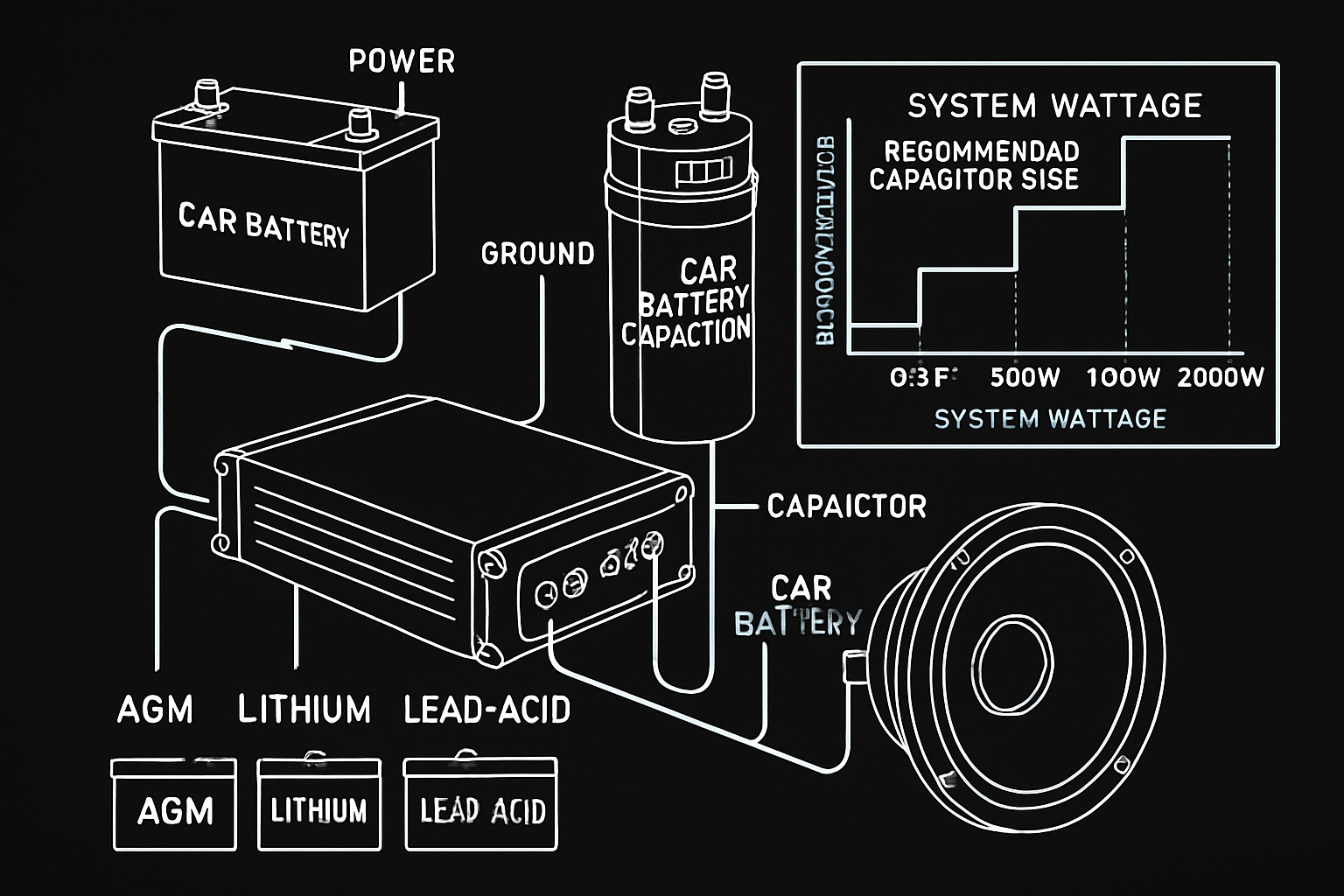
Before purchasing a car battery capacitor, start by calculating your total system wattage. Add up the RMS wattage of all amplifiers and high-demand devices. This value helps determine the size of capacitor you need for effective voltage stabilization.
A common rule is to use a 1-farad car battery capacitor for every 1,000 watts RMS. For example, a 2,000-watt system will typically need a 2-farad capacitor. Here’s a quick reference table:
| System Wattage (RMS) | Recommended Capacitor Size (Farads) |
|---|---|
| 500–1,000 | 100 |
| 1,000–2,000 | 200 |
| 2,000–3,000 | 500 |
| 3,000+ | 500 |
Matching your car battery capacitor to your system is crucial for consistent performance. For a deeper dive on aligning battery and capacitor sizing, see this Sizing lithium batteries for audio guide.
Types of Capacitors and Their Applications
There are several types of car battery capacitors, each with unique strengths:
- Standard Electrolytic Capacitors: Affordable and widely available, ideal for most daily drivers.
- Hybrid Capacitors: Combine electrolytic and supercapacitor technology for better performance in demanding setups.
- Supercapacitors (Ultracapacitors): Deliver extremely fast energy release, perfect for high-powered or competition audio systems.
When should you use each type?
- Use standard capacitors for moderate systems.
- Choose hybrid or supercapacitors if you have a large, high-draw audio setup or want the best voltage stability.
- Supercapacitors are best for extreme, competition-level installs.
Compatibility with Batteries and Charging Systems
Not every car battery capacitor is compatible with every battery type. Always check voltage ratings to ensure safe integration with your car’s system.
- AGM and Lead-Acid Batteries: Most capacitors work well, but always verify voltage alignment.
- Lithium Batteries: Require capacitors rated for higher, more stable voltage ranges.
Integrating a car battery capacitor with mismatched components can cause problems like poor charging or even damage. Double-check specifications and, if in doubt, consult your vehicle or audio system manual.
Safety and Quality Considerations
Quality matters when choosing a car battery capacitor. Look for reputable brands that offer certifications like CE or RoHS. This helps ensure safety and reliability.
Key warning signs of poor manufacturing:
- No visible certifications or branding
- Inconsistent casing or poor-quality terminals
- Unusually low price compared to similar products
Avoid counterfeit or low-quality capacitors, as they can lead to system failures or even safety hazards. Investing in proven brands protects your vehicle and your investment.
Step-by-Step Guide: Installing a Car Battery Capacitor
Ready to install your first car battery capacitor? Follow this clear, beginner-friendly guide to boost your car audio system’s performance and protect your vehicle’s electrical health. Each step is designed to be straightforward, ensuring you can confidently manage the installation process.
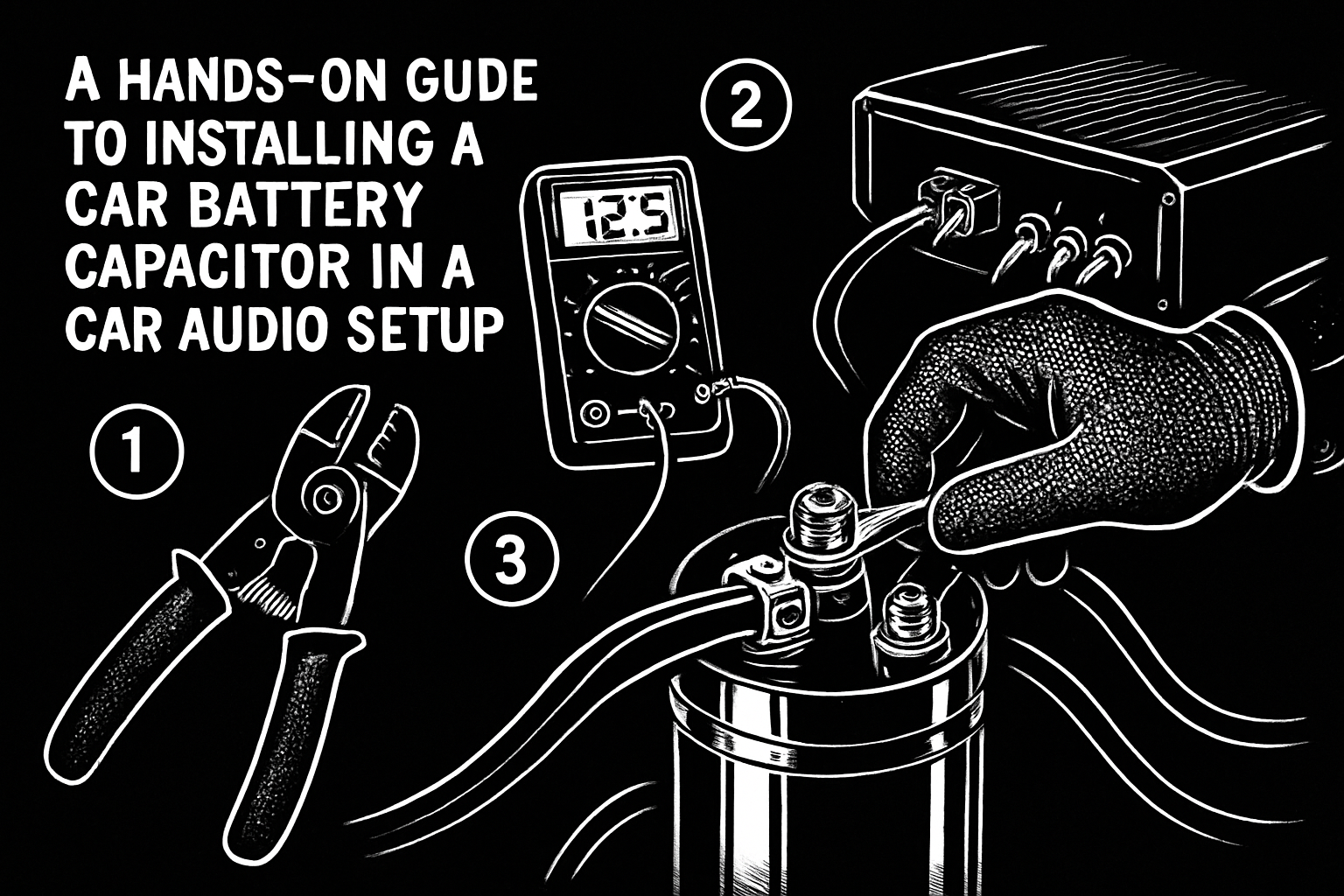
Tools and Materials Needed
Before you start installing your car battery capacitor, gather all the essential tools and materials. Preparation is key to a smooth and safe installation.
- Wire strippers and crimpers: For preparing and connecting wires cleanly.
- Voltmeter or multimeter: To check voltage before and after installation.
- Mounting brackets or straps: To secure the car battery capacitor firmly in place.
- Appropriate gauge wiring: Match your system’s power needs for safety and efficiency.
- Safety gear: Always use insulated gloves and eye protection to avoid accidental shocks or injuries.
Double-check your car battery capacitor’s specifications and ensure you have wiring compatible with your setup. Having everything ready will help you avoid mid-installation hiccups. Remember to read the manufacturer’s instructions specific to your car battery capacitor as well.
Preparing for Installation
Safety comes first. Begin by disconnecting your car’s negative battery terminal. This step prevents accidental shorts while working with the electrical system.
Next, find the optimal mounting position for your car battery capacitor. Ideally, it should be as close as possible to the amplifier, minimizing voltage drops and maximizing efficiency. Use your voltmeter to confirm that your battery and capacitor share compatible voltage levels.
Before proceeding, carefully review your vehicle’s wiring diagram. This will help you plan the safest and most efficient cable routes. If your setup includes a high-powered subwoofer, consider reviewing resources like Battery for subwoofer systems for additional power management tips.
Wiring and Mounting the Capacitor
With your plan in place, it’s time to connect your car battery capacitor. Start by securely mounting the capacitor using the provided brackets or straps, ensuring it won’t move or vibrate loose.
Follow these wiring steps:
- Connect the positive terminal of the capacitor to the amplifier’s positive power input using thick, high-quality cable.
- Attach the ground terminal of the car battery capacitor to a clean, unpainted metal point on the vehicle chassis. Use the same gauge as your power wire for the ground.
- Double-check all connections for tightness and proper insulation.
Proper grounding is crucial. A poor ground can cause buzzing or even damage to your audio system. Reference your system’s wiring diagram for clarity, and never cut corners on wire quality. If available, use a wiring diagram to visually confirm your setup.
Initial Charging (“Pre-charging”) Process
Before you power up, your car battery capacitor must be pre-charged. Skipping this step can cause a sudden inrush of current, potentially damaging the capacitor or your vehicle’s electrical system.
Here’s how to safely pre-charge:
- Insert a resistor (usually 1k ohm, 5–10 watt) or a dedicated pre-charge bulb between the capacitor’s positive terminal and the power wire.
- Monitor voltage with your voltmeter as the capacitor charges. The process usually takes a few minutes.
- Once the reading matches your car battery’s voltage, remove the resistor or bulb and secure the connection.
Always follow the manufacturer’s recommendations for pre-charging. This step protects both your new car battery capacitor and your vehicle.
Final Checks and Power-Up
Now it’s time to test your installation. Reconnect your car’s negative battery terminal. Use your voltmeter to measure voltage at the capacitor’s terminals, confirming it matches your battery’s voltage.
Turn on your car audio system and observe its operation. Watch for common issues like flickering lights, odd noises, or amplifier shutdowns. If any problems arise, refer to this troubleshooting checklist:
- All wires securely fastened?
- Proper ground connection?
- Capacitor voltage matches battery?
- No visible damage or overheating?
If everything checks out, you’ve successfully installed your car battery capacitor. Enjoy improved voltage stability and a smoother audio experience!
Troubleshooting and Maintenance of Car Battery Capacitors
Car battery capacitor issues can disrupt your entire electrical system if not handled properly. Whether you’re a car audio enthusiast or just want reliable vehicle electronics, knowing how to troubleshoot and maintain your car battery capacitor is essential for peak performance.
Common Issues and Solutions
Even the best car battery capacitor can develop problems over time. The most frequent issues include bulging, leaking, or a total loss of voltage. Bulging or swollen capacitors usually indicate internal failure, while leaks suggest electrolyte breakdown. No voltage output means the capacitor isn’t holding a charge, often due to internal shorts or age.
Wiring mistakes are another culprit. Loose, corroded, or poorly grounded connections can cause performance drops, flickering lights, or even system shutdowns. If you notice your headlights dimming or hear distortion in your audio, check all connections and grounds first.
To combat voltage fluctuations, some automotive systems use specialized capacitor-based stabilizers. This approach, as detailed in Overcoming Voltage Fluctuations in Electric Vehicles with Capacitor-Based Stabilizers, highlights how capacitors can smooth out spikes and dips, protecting sensitive gear.
Troubleshooting checklist:
- Inspect for bulges, leaks, or discoloration.
- Test voltage at the capacitor terminals.
- Confirm all wires are tightly secured and corrosion-free.
- Check ground points for rust or paint interference.
Addressing these issues quickly helps maintain your car battery capacitor’s effectiveness.
Routine Maintenance Tips
Maintaining your car battery capacitor doesn’t require advanced skills, but regular attention makes a difference. Start by performing voltage checks monthly using a digital voltmeter. Compare readings to the rated specifications—any significant drop could signal trouble.
Visual inspections are equally important. Look for signs of wear, loose terminals, or accumulated dust. Clean the terminals with a dry cloth and ensure all mounting brackets are secure to prevent vibrations from damaging the unit.
Here’s a simple maintenance schedule:
- Monthly: Voltage test and visual inspection.
- Quarterly: Clean terminals and check mounting hardware.
- Annually: Full system review, including all wiring and grounds.
Staying consistent with these steps helps extend the life of your car battery capacitor and keeps your electrical system running smoothly.
When to Replace Your Capacitor
Every car battery capacitor has a limited lifespan. Electrolytic models typically last 2–5 years, while supercapacitors and hybrids can last much longer—sometimes up to a decade. Signs that it’s time to replace your capacitor include persistent voltage loss, swelling, leaking, or failure to stabilize your system.
Here’s a quick comparison:
| Capacitor Type | Average Lifespan |
|---|---|
| Electrolytic | 2–5 years |
| Supercapacitor | 7–10 years |
| Hybrid | 5–8 years |
Advancements in capacitor technology, such as those discussed in Development and Applications of High-Energy Density Electrochemical Capacitors, are making newer models more durable and efficient. If you notice any warning signs or your system isn’t performing as it should, it’s best to replace the car battery capacitor before it fails completely.
Proactive replacement helps prevent bigger electrical issues and keeps your vehicle’s performance on point.
Car Battery Capacitor Myths, FAQs, and Buying Tips for 2025
Curious about the car battery capacitor? You’re not alone. With so much buzz and conflicting advice online, it’s easy to get lost in the myths and confusion. Let’s clear up the facts, answer the most common questions, and give you solid buying tips for 2025.
Debunking Common Myths
There’s a lot of misinformation floating around about the car battery capacitor. One of the most persistent myths is that a car battery capacitor can replace your battery altogether. That’s simply not true. Capacitors and batteries serve different purposes: the battery stores long-term energy, while the capacitor delivers quick bursts for high-demand moments.
Here’s a quick myth vs fact table to set the record straight:
| Myth | Fact |
|---|---|
| Capacitors replace car batteries | Capacitors support, not replace, batteries |
| More farads always mean better performance | Correct sizing is more important than sheer capacity |
| Capacitors fix all audio power issues | They help, but can’t compensate for an underpowered electrical system |
Another misconception is that any car battery capacitor will work for any vehicle. In reality, matching the right type and capacity to your setup is crucial for safety and performance.
Wondering about the latest industry trends and whether capacitors are still relevant? The Automotive Ultra-Capacitor Market Analysis and Growth Trends report shows that advancements in capacitor technology are making them more versatile and reliable for modern vehicles.
Don’t get caught up in hype. Focus on facts and real-world data to make informed choices.
Frequently Asked Questions for Beginners
If you’re just starting with car audio or electrical upgrades, the car battery capacitor brings up plenty of questions. Here are answers to the most common ones:
Q: How do I know if I need a car battery capacitor?
A: If your headlights dim when the bass hits or you notice power dips in your audio system, a car battery capacitor can help stabilize voltage and improve performance.
Q: Can adding a car battery capacitor damage my car?
A: Not if you size and install it correctly. Problems usually arise from poor installation or using a capacitor that’s not matched to your electrical system.
Q: What maintenance does a car battery capacitor need?
A: Routine voltage checks and visual inspections are key. Look for leaks, bulges, or loose connections every few months.
Q: Will a car battery capacitor make my system louder?
A: Not directly. It helps maintain consistent power, which can reduce distortion and protect your equipment, but it won’t boost volume on its own.
Take your time to learn the basics. The car battery capacitor is a tool, not a magic fix, but it can make a real difference when used right.
Buying Guide for 2025 Models
Shopping for a car battery capacitor in 2025? Here’s what to look for:
- Smart features: Bluetooth monitoring and app integration are now common, letting you track performance in real time.
- Safety improvements: Look for certifications like CE or RoHS to ensure quality and reliability.
- Compatibility: Make sure the car battery capacitor matches your vehicle’s voltage and battery type (AGM, lithium, etc.).
- Brand reputation: Stick with trusted brands that offer good warranties and customer support.
- Innovative designs: Hybrid and supercapacitors are gaining traction for their faster charge/discharge cycles.
If you’re also considering a battery upgrade for your audio system, the Best car stereo battery guide can help you choose a compatible setup for maximum performance.
Take note of the latest trends—smart capacitors and improved safety features are making 2025 models a worthy investment for many drivers.
Cost Considerations and Value for Money
How much should you spend on a car battery capacitor? Prices range from budget-friendly to premium, but value depends on your needs and system size.
Here’s a quick price comparison for popular models:
| Model Type | Average Price (USD) | Features |
|---|---|---|
| Basic 1-farad | $30–$50 | Standard, entry-level |
| Hybrid capacitor | $60–$120 | Faster charge/discharge |
| Smart supercapacitor | $120–$300 | App monitoring, safety |
Investing in a quality car battery capacitor makes sense if you’ve upgraded your audio or electrical system and want long-term stability. For stock systems, a basic model may suffice, while enthusiasts and audiophiles will benefit from advanced features.
Remember, balance cost with quality and compatibility for the best results.
If you’re excited to take your car audio system to the next level after learning how capacitors can boost performance and protect your gear, it’s time to think about pairing them with the right power source. Reliable, high-performance battery banks are the backbone of any serious setup—especially if you want clean, consistent sound without the hassles of traditional batteries. If you’re curious about what’s available and want to see top options built for car audio enthusiasts like us, check out our battery banks here. Your perfect setup could be just a click away!