
Building a Car Audio System with LTO Batteries

Building a Car Audio System with LTO Batteries: Complete Installation Guide and Benefits
Lithium titanate oxide (LTO) batteries solve a core challenge in car audio: voltage sag and slow recovery when amplifiers demand big bursts. This guide walks you through why an LTO battery bank is often the best option for SPL and high-demand systems, how to size and wire banks correctly, and what to monitor for dependable long-term operation. You’ll get the electrical rationale behind improved voltage stability, a step‑by‑step installation and wiring checklist (including the Big 3 upgrade), and practical sizing formulas to convert amplifier power into AH and bank configurations. We also compare LTO to LiFePO4 and AGM on the attributes that matter, provide wiring checklists and EAV tables for installers, and share real-world outcomes from builds using SCiB-style LTO banks. Throughout, search terms like lto car audio system, lithium titanate system, and SCiB LTO car audio are used so you can evaluate and specify a battery-powered audio solution that handles both SPL bursts and daily driving without compromise.
What Are LTO Batteries and Why Are They Ideal for Car Audio?
LTO (lithium titanate oxide) cells replace a conventional graphite anode with a titanate material, producing very low internal resistance, fast charge acceptance, and strong high-current discharge capability — exactly what reduces voltage sag during heavy amplifier bursts. The chemistry’s fast ion transport and rugged anode structure deliver long cycle life and solid thermal stability, so systems tolerate repeated high-current events with less degradation. Those electrical traits make LTO a natural fit for car audio, where short, intense bursts and quick recharge between hits are the norm. Knowing the cell behaviour helps installers match LTO banks to amplifier loads, alternator capacity and the vehicle’s electrical layout.
At Evolution Lithium we specialise in hand-assembled SCiB-style LTO battery banks built with car-audio needs in mind, offering module sizes that cover typical installer requirements. Our approach prioritises usable power, long life, and installation-friendly safety features — especially fast charging and cycle life measured in the thousands. Once you understand how LTO fights voltage sag, those product traits become the practical selection criteria for both daily drivers and competition builds. Next we’ll get into the chemistry and the particular SCiB advantages that matter on the bench and in the trunk.
What Is Lithium Titanate Oxide Battery Technology?
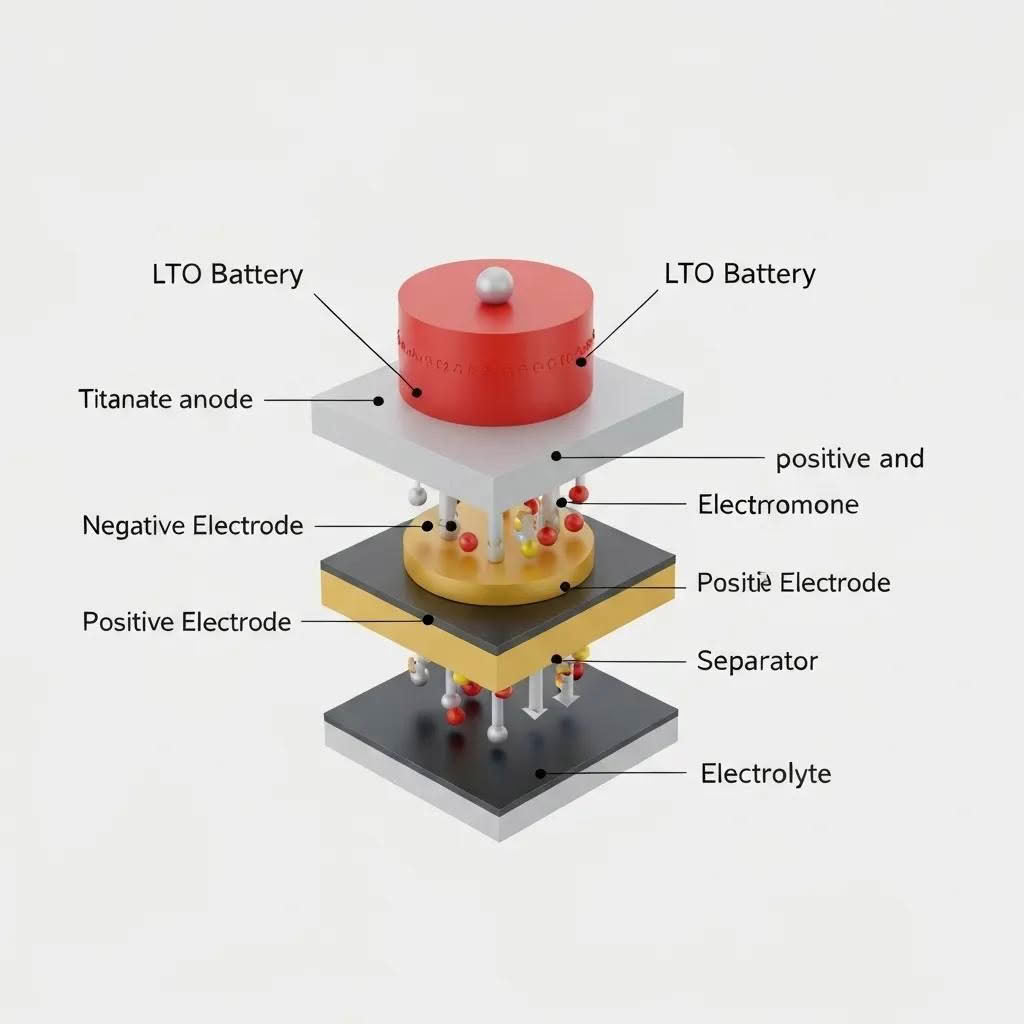
Lithium titanate oxide (LTO) battery technology swaps the typical graphite anode for a lithium titanate material, increasing active surface area and cutting internal resistance to enable fast charge and discharge. That structural change lowers heat build-up and improves thermal stability, reducing the risk of thermal runaway under heavy use. In practice, LTO allows very short recharge intervals and holds terminal voltage higher during bursts, so amps and vehicle electronics see fewer dips. Those characteristics also support the chemistry’s exceptional cycle life, making LTO a cost-effective choice over the long run despite a higher upfront cost compared with some alternatives.
LTO Battery Anode for High Power Vehicle Applications
When high power is required, lithium titanate (LTO) is chosen as the anode material. A pack can be installed in the rear of the vehicle with a nominal voltage of 42 V. These LTO packs are engineered to deliver high power output for a vehicle’s electrical system.
Application of lithium ion battery for vehicle electrification, Q Xiao, 2015
How Do SCiB Cells Enhance LTO Battery Performance for Car Audio?
SCiB cells — a well-known implementation of LTO chemistry — bring manufacturing quality and predictable performance that pros rely on: very high cycle life, rapid charge acceptance, and stable internal resistance across a wide temperature range. The SCiB-style design keeps voltage steadier under heavy discharge and recovers quickly after bursts, which translates to more predictable amplifier behaviour and less tuning drift during sessions. For audio builds that means cleaner transient response, reduced headlight dimming, and the ability to run more frequent high-power hits without long recovery times. Those reliability and performance traits explain why SCiB-style LTO cells are popular with builders who measure results, not just listen for them.
Toshiba LTO Batteries: Safety and Longevity in Electric Vehicles
Toshiba reports that LTO-based cells deliver strong safety and long cycle life. The lithium titanate anode uses a spinel crystal structure, which supports easier lithium-ion movement compared with traditional lithium-ion anodes. That structure enables faster charging and discharging rates along with extended cycle life.
The latest trends in electric vehicles batteries, F Danzi, 2021
What Are the Key Benefits of Using LTO Batteries in Car Audio Systems?
LTO batteries bring a practical set of advantages that solve common car-audio electrical problems and boost both performance and longevity. They cut voltage sag under high-current draws, accept charge quickly between bursts, and withstand many more cycles than conventional chemistries — lowering total ownership costs for heavy-use systems. Installers also favour LTO for its thermal stability and robustness, which widens mounting options and reduces risk in compact installations. Below are the core benefits that will affect tuning, mounting and charging decisions.
LTO delivers direct operational advantages for high-demand audio systems:
- Superior Voltage Stability: LTO holds higher terminal voltage under load, reducing sag and improving transient fidelity.
- Rapid Recharge: Low internal resistance speeds replenishment from the alternator, shrinking recovery time between bursts.
- Exceptional Cycle Life: LTO cells are rated for many thousands of cycles, extending usable life and lowering lifecycle cost.
- Thermal and Safety Advantages: The chemistry’s stability reduces heat-related risks during heavy or repeated charging events.
Those benefits change how you size and place banks and alter expectations for alternator and BMS selection. To make the trade-offs clear, the table below shows where LTO compares to LiFePO4 and AGM on attributes that matter to audio setups.
LTO, LiFePO4, and AGM comparison for car audio decision-making:
How Do LTO Batteries Improve Voltage Stability and Prevent Voltage Sag?
LTO improves voltage stability because its low internal resistance keeps terminal voltage steadier during high discharge, reducing the voltage drop between the battery and amplifier when current spikes. That ability to deliver short, high-current bursts with minimal voltage swing preserves amplifier headroom and transient response, which tightens perceived bass and stabilises SPL peaks. Measured systems with LTO show smaller voltage deviations under the same loads compared with higher-resistance chemistries, meaning fewer audible artifacts and less interaction with vehicle electronics. We recommend scope-based voltage traces or high-sample logging to quantify sag improvements during tuning and validation.
Those electrical advantages also guide installation choices — how banks are sited, bus sizing, and fuse selection — which we cover in the sizing and configuration sections that follow.
Why Are LTO Batteries Safer and More Durable Than AGM and LiFePO4?
LTO chemistry offers strong thermal and chemical stability, which lowers the risk of thermal runaway and improves tolerance to aggressive charging compared with some lithium types and lead-acid (AGM) batteries. The cell materials and structure also support thousands more cycles than AGM and often outlast typical LiFePO4 packs, reducing replacement frequency for frequent-use audio systems. In practical terms, that durability lets installers specify smaller, higher-performance banks with confidence that long-term degradation will be lower, and it simplifies predictable maintenance planning. As always, correct fusing, a BMS or balancer, and good installation practice are essential to fully realise the chemistry’s safety advantages.
Combine these durability and safety benefits with the performance gains and LTO becomes a compelling long-term investment for serious SPL and pro-install customers despite the higher initial cost.
How to Choose and Size the Best LTO Battery Bank for Your Car Audio Setup?
Start sizing by converting amplifier power demands to current and then to AH, accounting for amplifier efficiency, duty cycle and desired runtime. The repeatable process is: convert RMS power to amps at system voltage, adjust for amplifier efficiency, add a safety margin, then translate that current into AH for the intended use window. Decide early whether the build is SPL-focused (short, high-current bursts) or a sustained-duty daily driver — burst-heavy systems prioritise C‑rate and low internal resistance more than raw AH. Series and parallel configurations let you match nominal voltage and capacity while considering BMS balancing and installation complexity.
Below is a concise, copyable sizing method and example calculations you can use when specifying a bank.
- Estimate continuous and peak power: Note RMS power, expected peaks and amplifier efficiency.
- Convert watts to amps: Amps = Watts ÷ System Voltage (use 14.8V depending on bank configuration).
- Apply efficiency and margin: Add 25% to account for losses and headroom.
- Define AH requirement: Multiply adjusted current by desired runtime (hours) and divide by battery bank voltage to get AH.
Using that approach, a 2 kW RMS system at 14.8V (~167 A nominal) with 75% efficiency and 10‑second peaks will be sized differently for burst-only vs sustained operation; SPL builds typically prioritise C‑rating and recovery over raw AH. Below is an EAV-style product table mapping common Evolution Lithium SCiB capacities to installer-relevant attributes so you can match models to calculated needs.
This table links Evolution Lithium’s module sizes to the attributes installers consider when choosing a bank. Apply the sizing formula above with these capacities to pick the smallest bank that meets burst and runtime goals while preserving longevity. Next we’ll detail voltage configuration choices and how to match them to your amplifier requirements.
How to Calculate the Right LTO Battery Capacity for Amplifiers and SPL Builds?
Convert amplifier RMS power into current at your intended system voltage, then include amplifier efficiency and required duration to calculate AH. For example, 2,000 W RMS at 12 V is 2,000 ÷ 12 ≈ 167 A. With 70% amplifier efficiency, the working current becomes ≈239 A to cover losses. A 10‑second burst consumes roughly (239 A × (10/3600)) ≈ 0.66 AH, but repeated hits and recharge time demand a larger buffer to avoid deep discharge and keep voltage stable. SPL setups prioritise high C‑rate capability and fast recharge; add a safety margin (25–50%) to AH estimates for realistic conditions.
For long or frequent bursts, choose larger AH banks or parallel modules to spread stress across cells and keep BMS balancing manageable. This method will guide your pick among the SCiB options listed above.
What Voltage Options Are Available and How to Match Them to Your System?
LTO banks can be built to suit a standard 12V system using series and parallel arrangements, or configured to higher nominal voltages if your amplifiers require it. Choosing a 12V bank vs higher-voltage setup depends on amplifier input range, alternator charging behaviour and how much BMS/balancing complexity you’ll accept. Series increases voltage; parallel adds capacity — both affect balancing needs, BMS complexity and installation footprint. When matching voltage always check charging targets and alternator/charger compatibility so the alternator can supply the voltage needed for rapid recharge between bursts.
Correct voltage matching reduces conversion losses, simplifies wiring and ensures the alternator and regulator operate in the range needed for quick recharge of SCiB-style LTO cells.
How to Install and Wire LTO Batteries for Optimal Car Audio Performance?
Installing an LTO bank requires planning for secure mounting, low-resistance connections, correct fusing and a commissioning sequence that verifies charging under load. Typical steps include selecting the site, securing the bank, routing and sizing cables, performing the Big 3 upgrade if needed, and carrying out an initial charge and load verification. Because LTO accepts charge quickly and supports high currents, connector quality, busbars and correct torque are more important than with lead‑acid systems. Safety highlights include main fuses close to the battery terminals, accessible disconnects and adherence to cable ampacity standards.
Below is a practical step‑by‑step checklist installers can use during the physical installation.
- Plan and prepare: Confirm space, ventilation and mounting points; gather tools and protective gear.
- Mount the bank: Secure modules to a rigid surface using non-conductive hardware and vibration damping.
- Wire positives first with fusing: Run positive feeds and fit the main fuse at the battery bank before final connection.
- Complete grounding and test: Tighten grounds to spec, verify torque and run an initial low-current charge and voltage check.
The sequence minimises risk and gives a clean commissioning flow. The wiring table below summarises cable and fuse recommendations for common setups.
What Are the Step-by-Step Instructions for Installing an LTO Car Audio Battery Bank?
Choose a dry, accessible mounting location that keeps cable runs short to reduce resistance, then prepare vibration-isolating pads and mounting hardware. After securing the bank, route the largest positive cable first and install the main fuse within 150 mm of the battery terminal to guard against shorts. Fit short, heavy‑gauge ground cables and torque terminals to spec for a reliable low-resistance return before connecting amplifier feeds. Finish with an initial conditioning or charge if required, confirm resting voltages, and run a staged load test while monitoring voltage and temperature to validate expected behaviour.
How Does the “Big 3” Wiring Upgrade Enhance LTO Battery Efficiency?
The Big 3 upgrade upsizes three key charging-return wires: alternator positive-to-battery, battery negative-to-chassis ground, and alternator ground-to-chassis, lowering resistance in the alternator charge path and improving charge acceptance. For LTO banks that take charge rapidly, the Big 3 reduces voltage drop during recharge so the bank sees the voltage it needs to recover between bursts. We typically recommend 4 AWG or larger for Big 3 legs on high-power systems, along with quality terminals and crimps to keep contact resistance low. The reduced resistance pairs with LTO’s low internal resistance to shorten recharge intervals during repeated SPL runs.
Executed properly, the Big 3 is a high-impact wiring improvement and should be part of the plan for any high-discharge lithium audio build.
How to Optimize and Maintain Your LTO Battery Car Audio System?
Optimising an LTO system means setting charging targets, confirming alternator capability, selecting the right BMS or balancer, and inspecting connections and fuses regularly. Monitor resting and under-load voltages and watch for temperature anomalies to catch imbalance or connection issues early. Because LTO handles many more cycles, routine maintenance focuses on electrical integrity — tight connections, secure mounts and clean terminals — rather than frequent replacements. Build a troubleshooting sequence that isolates symptoms like persistent sag, poor charge acceptance or BMS disconnects, and step through wiring, alternator and cell-level checks to find the root cause.
The next section explains alternator selection and when an upgrade is warranted for rapid-charge LTO banks.
Do You Need an Alternator Upgrade for LTO Battery Charging?
An alternator upgrade can be necessary for large-capacity or frequent SPL systems, but stock alternators often recharge moderate LTO banks for normal daily driving. Compare your alternator’s continuous and peak output with the bank’s recharge current needs — if the alternator can’t supply the current needed for quick recovery between bursts, consider an upgrade. Rapid LTO acceptance sometimes benefits from charging voltages higher than standard float targets, so regulator behaviour and voltage under load must be checked to hit the chemistry’s optimal window. Keep in mind upgrades increase mechanical load and heat, so weigh the recharge benefits against alternator and belt limitations.
The decision comes down to measured alternator output versus the recharge needs calculated during sizing.
What Are Best Practices for Fusing, Battery Management, and Troubleshooting?
Fit fuses close to the battery on all positive leads, choose fuse types and ratings suitable for expected maximum current, and use slow‑blow/time‑delay fuses where inrush demands them. Battery management for LTO banks centres on cell balancing, over-current protection and temperature monitoring; we recommend a BMS or balancer that watches cell groups and disconnects on fault for multi-module banks. For troubleshooting, follow a structured flow: check resting voltage and torque, measure voltage under a controlled load, isolate branch wiring, and verify alternator output — that quickly identifies whether the fault is wiring, charging or cell-level. Proper fusing and a conservative diagnostic protocol keep installs safe and minimise downtime for pro work and daily drivers alike.
Analysis of LTO Batteries for Electric Bus Performance
Given their favourable properties, LFP and LTO batteries were evaluated for bus use. Simulations ran on an 18‑metre bus over a selected route, and different charger types were modelled for the actual travel cycle. The route modelled covered more than 150 km.
Overview of solutions for lithium-ion batteries used in electric vehicles, P Fuć, 2016
Routine maintenance checklist for LTO car audio systems:
- Visual Inspection: Check cables, terminals and mountings for corrosion or looseness at least monthly.
- Voltage Logging: Record resting and under-load voltages during representative cycles to detect drifting performance.
- BMS/Balancer Check: Confirm BMS status indicators and balancing after heavy sessions.
- Fuse and Connector Test: Verify fuse ratings and inspect connectors for heat marks or mechanical damage.
What Are Real-World Examples and Customer Experiences with LTO Car Audio Systems?
Real builds using SCiB-style LTO banks show measurable gains in voltage stability, recharge time and consistent SPL peaks versus conventional batteries. In side‑by‑side tests, LTO systems exhibit smaller terminal voltage dips under identical bursts, letting tuners retain amplifier headroom and achieve repeatable runs. Daily drivers benefit from reduced headlight dimming and near-instant alternator recharge during normal driving, while pro SPL rigs use the chemistry’s fast recovery to tighten peak sequencing. These practical outcomes back up the theoretical advantages and set clear expectations for tuners and installers.
Builders often cite specific module choices when describing results, and Evolution Lithium’s modular banks make it straightforward to match capacity to the build profile. If you want validated examples, our model galleries and product pages show configuration ideas and before/after metrics you can use for reference.
How Have LTO Batteries Improved SPL Competition and Daily Driver Builds?
For SPL competition, LTO banks deliver more repeatable peak readings because they recover quickly and hold voltage under extreme current draws — that helps competitors hit consistent top-end performance. For daily drivers, LTO reduces the depth and duration of headlight dimming during peaks and stabilises start/stop behaviour because the auxiliary bank remains electrically steady through transients. Installers report that tuning becomes more predictable: EQ and gain settings that worked in one run stay valid in later runs, reducing on-the-fly adjustments. Those practical benefits make LTO a strong choice for both specialist and everyday installs.
Those performance traits also influence wiring and installation choices, reinforcing the need for heavy-gauge cabling and robust fusing described earlier.
What Do Customers Say About Evolution Lithium’s LTO Battery Performance?
Customers and installers consistently highlight three themes about our SCiB-style LTO banks: stable voltage under heavy load, fast recharge that shortens recovery between bursts, and long-term reliability that matches high cycle-life claims. Reported benefits include fewer tuning compromises, reduced electrical disturbances in the vehicle, and confidence in bank longevity for repeated events. To verify these claims yourself, review our product and gallery pages for build examples and configuration suggestions that align with the technical guidance in this guide. If you’re comparing options, match bank capacities to your sizing calculations before you commit.
For installers and owners ready to switch to LTO, our modular SCiB-style banks and compatible accessories — fuse holders, cables and balancers — provide the parts you need to implement the wiring and protection strategies shown here. That combination of practical guidance and purpose-built products makes it straightforward to move from design to deployment.
Frequently Asked Questions
What is the lifespan of LTO batteries compared to other battery types?
LTO batteries are noted for exceptional lifespan, commonly exceeding 10,000 cycles — far more than LiFePO4 (2,000–5,000 cycles) and AGM (around 200–500 cycles). That longevity makes LTO cost-effective for high‑use audio systems, since replacements are needed far less often and total ownership cost falls over time.
How do I maintain my LTO battery system for optimal performance?
Keep connections tight and clean, log resting and under-load voltages, and regularly check your BMS or balancer status. Inspect fuses and connectors for wear or heat signs. These simple checks keep the system running reliably and catch small issues before they escalate.
Can LTO batteries be used in other applications besides car audio?
Yes. LTO cells suit a wide range of uses beyond car audio, including electric vehicles, renewable energy storage and high-performance tools. Their fast charge acceptance, high discharge capability and long cycle life make them a strong choice whenever reliable, quick-recharge power is required.
What safety measures should I consider when installing LTO batteries?
Prioritise secure mounting, quality connectors and correct fusing. Place fuses close to the battery terminals, follow cable ampacity guidelines and include accessible disconnects for emergencies. These measures minimise risk and improve long-term reliability.
How do LTO batteries perform in extreme temperatures?
LTO exhibits strong thermal stability and performs well across a wide temperature range with minimal performance loss. That makes it well suited to vehicle environments with fluctuating temperatures. Still, monitor temperatures and provide ventilation where possible during heavy use.
What are the advantages of using SCiB cells in LTO batteries?
SCiB cells deliver high cycle life, quick charge acceptance and consistent voltage during heavy discharge. For car audio, this translates to predictable amplifier behaviour, reduced tuning drift and improved transient response — all valuable for performance-focused builds.
How do I choose the right LTO battery bank for my audio system?
Calculate your amplifier’s power needs and convert them to AH using the sizing method shown earlier. Factor in continuous vs peak power, amplifier efficiency and desired runtime, then pick the capacity and configuration (series or parallel) that match your voltage and performance requirements. Careful sizing ensures optimal performance and longevity.
Conclusion
Adding LTO batteries to a car audio system noticeably improves voltage stability, speeds recharge and extends usable life — all of which translate to better sound and fewer compromises for both daily drivers and competition rigs. If you’re ready to lift performance, explore our SCiB-style LTO modules and accessories designed for installers and builders. See how high-performance LTO technology can change the way your system performs, session after session.